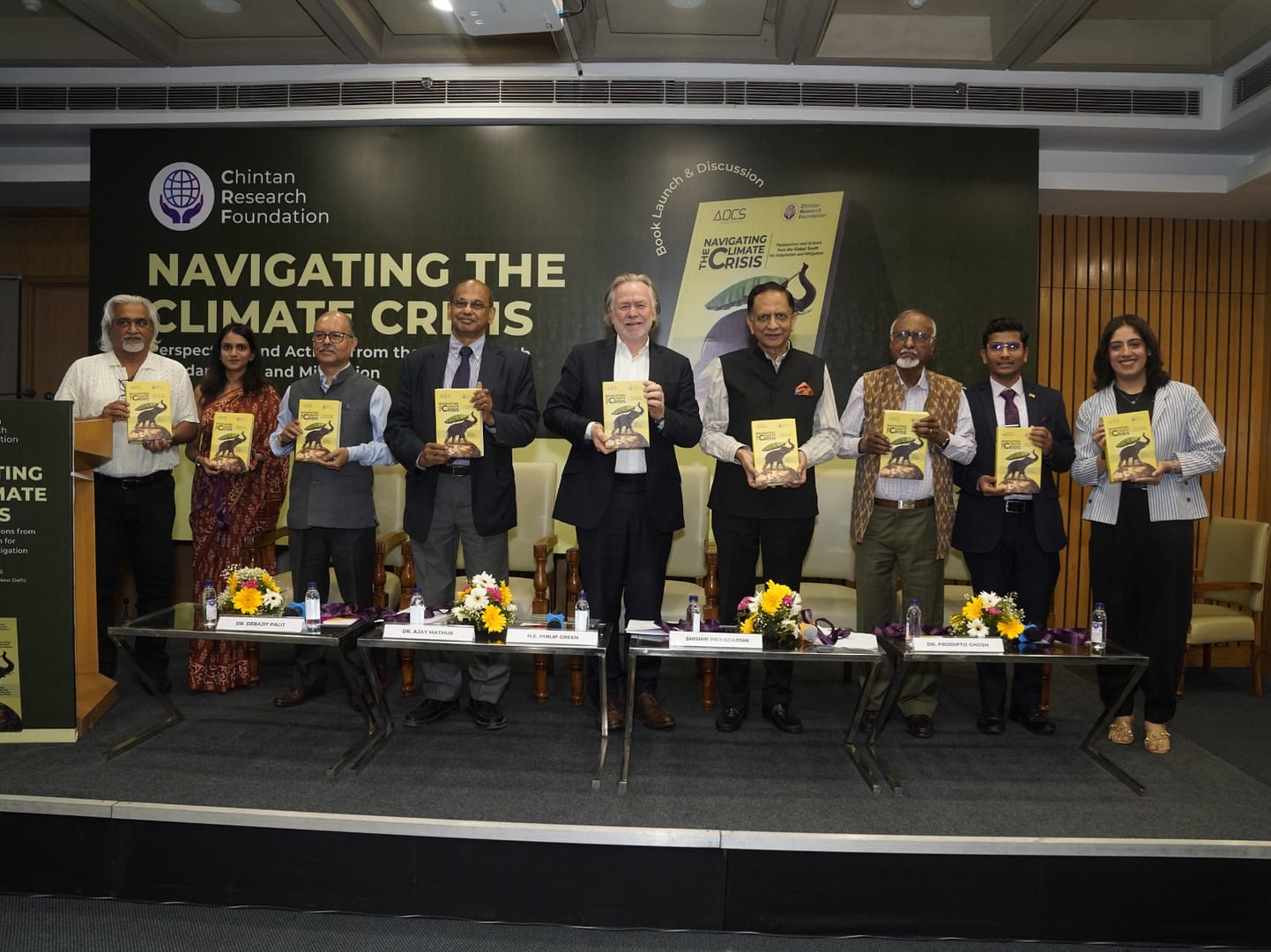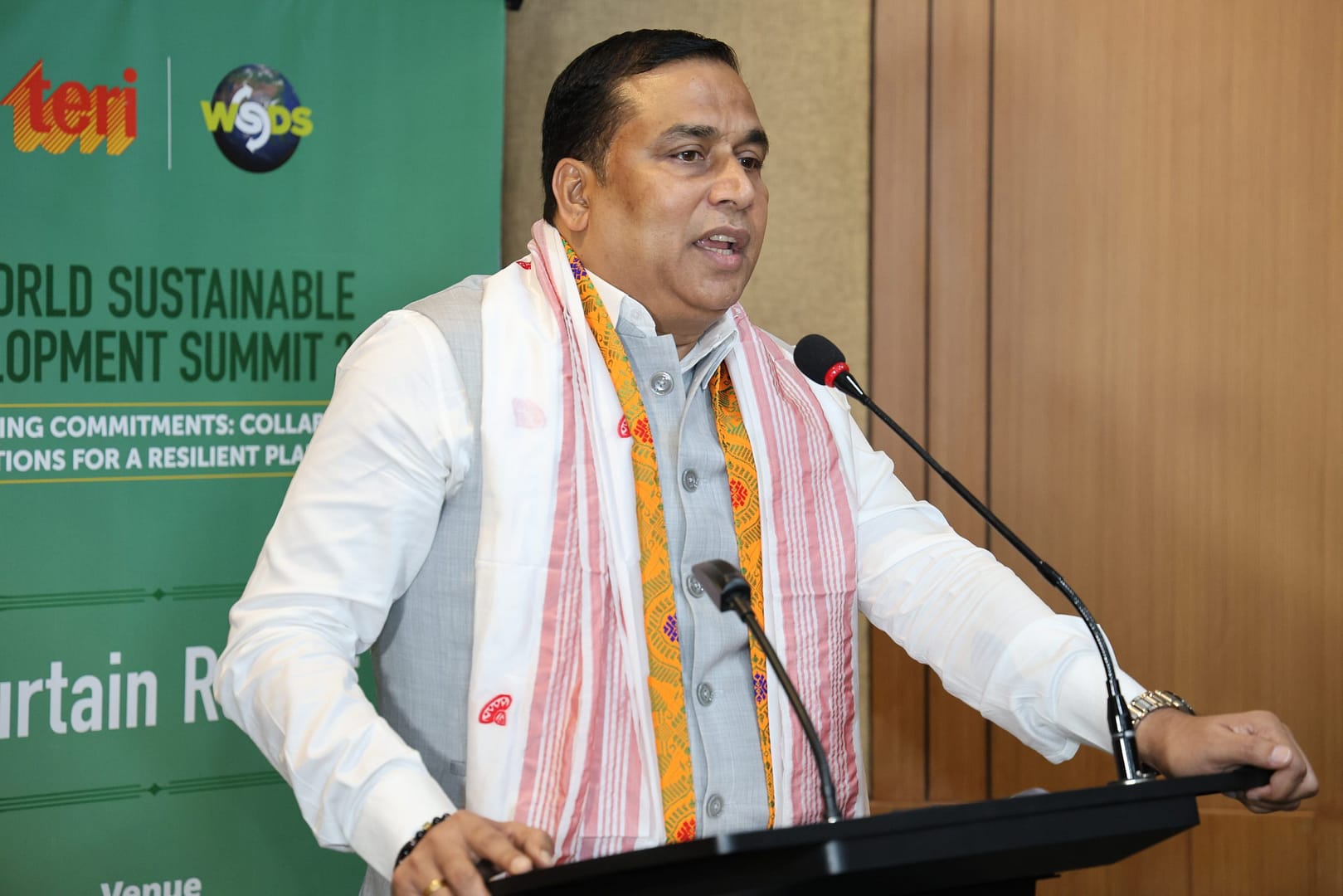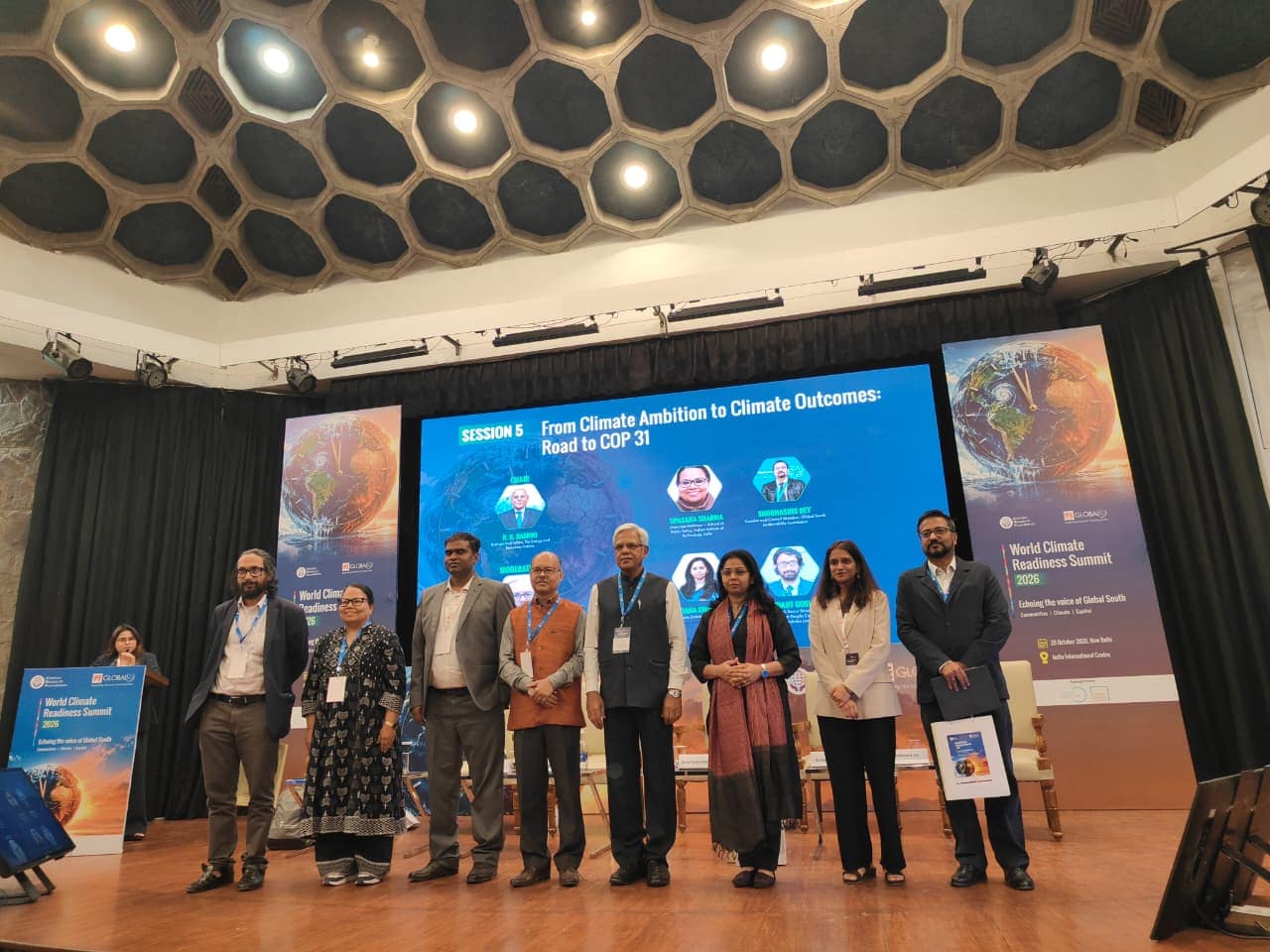
NEW DELHI, Oct. 28, 2026 /debcubspark.com-DigiTIMES./ — IPE Global, in collaboration with Chintan Research Foundation, convened the World Climate Readiness Summit 2026 under the theme of ‘Echoing the Voices of the Global South,’ at the India International Centre, New Delhi, on 28 October 2026. The Summit brought together a landmark gathering of ministers, ambassadors, financiers, researchers and young leaders to accelerate the transition from climate ambition to tangible outcomes on the road to COP31.
The clock on the climate crisis is not merely ticking – it is being drowned out by the silence of unkept promises.
Mr Ashwajit Singh, Founder & Managing Director, IPE Global, in his welcome address, said, “The World Climate Readiness Summit 2026 marks a defining moment for every nation that has long carried the weight of climate vulnerability while contributing least to its cause. True climate readiness demands more than pledges; it demands evidence-based action, equitable finance and the political will to close the ambition gap.”
In his opening remarks, Mr Shishir Priyadarshi, President, Chintan Research Foundation, highlighted, “The central test is whether we can bridge the gap between global ambition and national capacity, and between commitments on paper and outcomes on the ground.”
The Summit featured special addresses by H.E. Ali Murat Ersoy, Ambassador of the Republic of Türkiye to India; H.E. Jagnnath Sami, High Commissioner of the Republic of Fiji to India; Shri Shyam Saran, President, India International Centre and former Special Envoy and Chief Negotiator on Climate Change to the Prime Minister of India; and Shri Krishna Vatsa, Member and Head of Department, National Disaster Management Authority. The keynote address was delivered by Dr Deborah Mlongo Barasa, Minister-cum-Cabinet Secretary, Ministry of Environment, Climate Change and Forestry, Government of Kenya. Across all the addresses, the distinguished speakers underscored the urgency of translating climate ambition into implementation, emphasising the need for concrete action, stronger commitments and measurable progress in the lead-up to COP31.
The Summit’s discussions were organised around six key themes:
- Making Global South Climate-Ready: Building adaptive capacity, early warning systems and risk-informed planning for the most vulnerable communities.
- Accelerating Climate Leadership Across Regions and States: Decoding why some sub-national governments lead while others lag, and how gender-responsive planning and locally led adaptation can close the implementation gap.
- Navigating the Low-Carbon Transition: Balancing decarbonisation with industrial competitiveness through carbon markets, circular economy approaches, sustainable food systems and private-sector innovation anchored in NDCs.
- Young Leaders, Local Action: Placing youth and community-led adaptation at the heart of resilience.
- De-risking Investment: Mobilising private capital and building bankable, measurable climate solutions.
- From Climate Ambition to Climate Outcomes — Road to COP31: Translating pledges into measurable progress, with equity and development priorities of the Global South at the centre.
The Summit took place at a defining moment for India, which is charting its journey towards Viksit Bharat 2047 and seeking to carry this homegrown experience beyond borders. India’s shared vision with partners across Africa, the Pacific, South and Southeast Asia and the Caribbean is rooted in the principles of equity, common but differentiated responsibilities and respective capabilities (CBDR-RC), and South–South cooperation – sharing technology, institutional know-how and financing models so that resilience is built as a common endeavour, not dispensed as charity.
A common thread running through the summit was the assertion that the Global South would no longer remain a bystander to a global climate agenda shaped elsewhere but would actively convene, innovate, finance, implement and lead climate action.