



| By Dr Harish Yadav
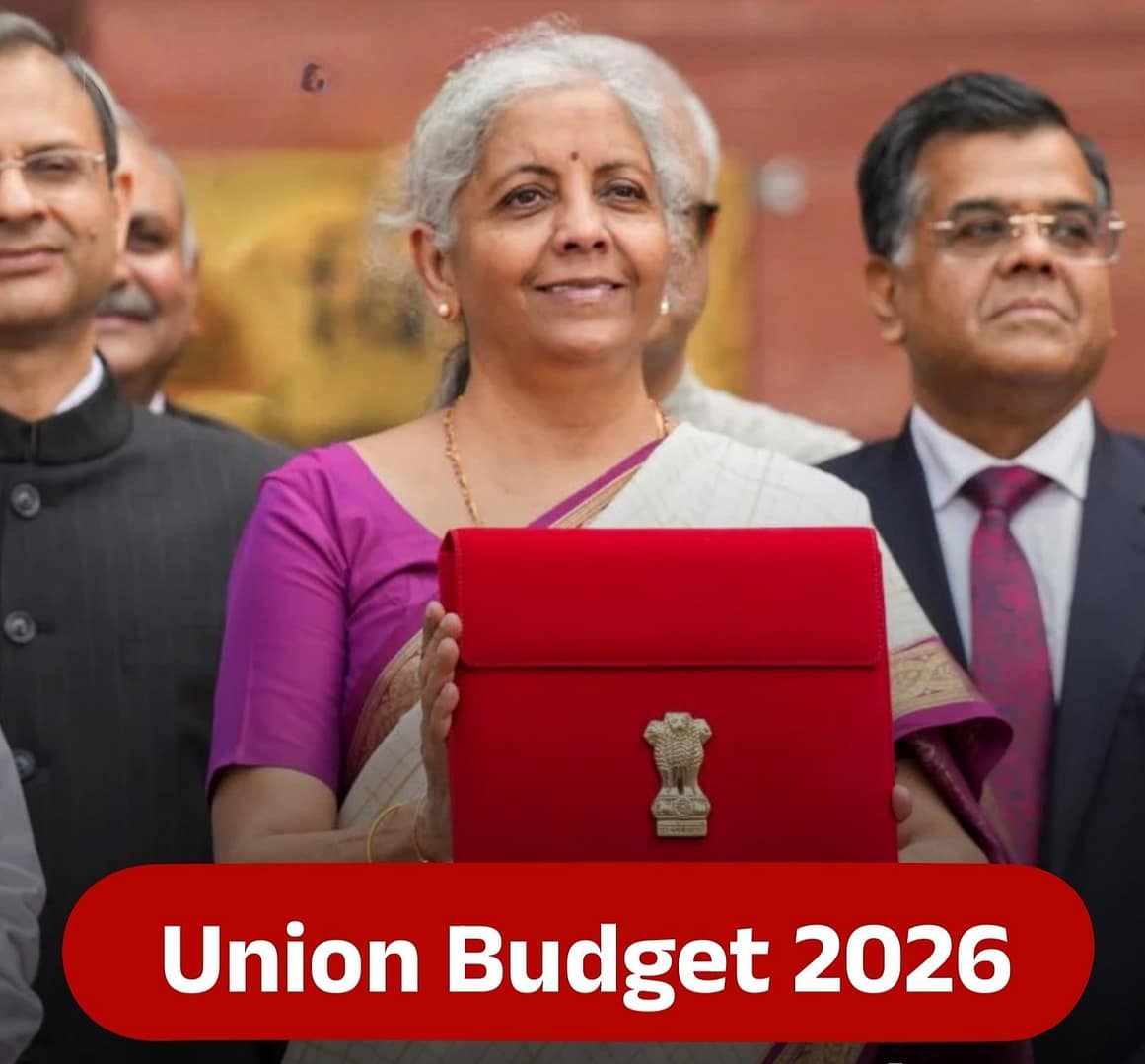
India’s ambition to become a developed economy by 2047 is increasingly shaping fiscal strategy around long-term growth drivers rather than short-term stimulus. The Economic Survey 2025–26, tabled on January 29, 2026, provided the intellectual framework for Budget 2026 by emphasizing macroeconomic stability, productivity-led expansion, and institutional reform. The Budget reflects this approach clearly, placing industrial competitiveness, and rural transformation at the core of India’s growth strategy.
At the macro level, Budget 2026 reinforces stability as a precondition for sustained growth. By anchoring fiscal policy around capital formation and structural reforms, it signals continuity and credibility. The renewed emphasis on industry-led growth—supported by logistics, infrastructure, and skills—recognises that India’s next phase of expansion must be driven by productivity gains rather than factor accumulation alone.
MSMEs: “Champion Enterprises”
Micro, Small and Medium Enterprises (MSMEs) receive sustained policy attention, reflecting their central role in employment generation, value-chain depth, and regional development. The announcement of a dedicated ₹10,000 crore MSME Growth Fund, alongside an additional ₹2,000 crore allocation to the Self-Reliant India Fund, addresses the chronic shortage of long-term and risk capital for small enterprises.
Complementary measures—including faster settlement of dues by Central Public Sector Enterprises, expanded credit guarantees, promotion of trade receivables discounting, and deeper integration with the Government e-Marketplace (GeM)—are expected to ease liquidity constraints and reduce working capital stress. Together, these initiatives mark a shift from survival-oriented support to scale-oriented financing. A major highlight of Budget 2026 is the explicit focus on nurturing “Champion SMEs” capable of competing globally.
The announcement of a dedicated ₹10,000 crore MSME Growth Fund, alongside an additional ₹2,000 crore allocation to the Self-Reliant India Fund, addresses the chronic shortage of long-term and risk capital for small enterprises
Manufacturing, Clusters, and Industrial Growth
Manufacturing-led development remains central to the growth strategy. The proposal to rejuvenate 200 legacy industrial clusters through infrastructure modernisation and technology upgrades is expected to enhance cost competitiveness, particularly for traditional MSME hubs.
New initiatives across Biopharma, electronics, semiconductors, textiles, chemicals, and capital goods will generate significant opportunities for suppliers and service providers. Mega Textile Parks, chemical parks, and dedicated Rare Earth Corridors are designed to deepen regional industrial ecosystems and reduce import dependence.
A notable intervention is the proposal to establish five university towns along major industrial and logistics corridors. By aligning higher education, research, and industry demand within shared ecosystems, these towns aim to address persistent skill mismatches, strengthen innovation pipelines, and improve labour market outcomes in globally traded sectors.
Infrastructure and Logistics: Lowering the Cost of Doing Business
Infrastructure investment continues to be a cornerstone of growth. The proposed Infrastructure Risk Guarantee Fund is expected to enhance private sector confidence during the construction phase of projects.
Expansion of Dedicated Freight Corridors, National Waterways, coastal cargo promotion, and asset monetisation through REITs will help reduce logistics costs—among the most significant constraints for Indian businesses. Incentives for container manufacturing and inland shipping ecosystems will further integrate MSMEs into domestic and global supply chains.
Digital, Global Integration, and Inclusive Growth
The IT and digital services sector receives a strong policy signal through a unified services category, enhanced safe harbour thresholds, and automated approvals. Incentives for global data centres, bonded warehousing, toll manufacturing, and exemptions for non-resident experts strengthen India’s position as a global business destination.
Importantly, growth is aligned with inclusion. Focused interventions in agriculture, skilling, mental health, Divyangjan employment, and regional development—particularly in Purvodaya and the North-East—aim to create balanced demand and employment. AI-enabled platforms such as Bharat-VISTAAR will integrate farmers into digital value chains, benefiting agri-MSMEs and rural entrepreneurs.
Taken together, Budget 2026 represents a calibrated attempt to align fiscal policy with India’s medium- and long-term growth imperatives. Its emphasis on productivity, MSME scale-up, institutional reform, and competitiveness marks a shift from incrementalism to structural consolidation. For business and investors, the signal is clear: India’s growth strategy is increasingly anchored in scale, competitiveness, and system-wide reform—key ingredients for realising the vision of a resilient, innovation-driven economy by 2047.
The author is an Indian Economic Service officer. Views are personal.




Awesome analysis… congratulations
Thanks Sir