

| By Dr. M.J. Khan
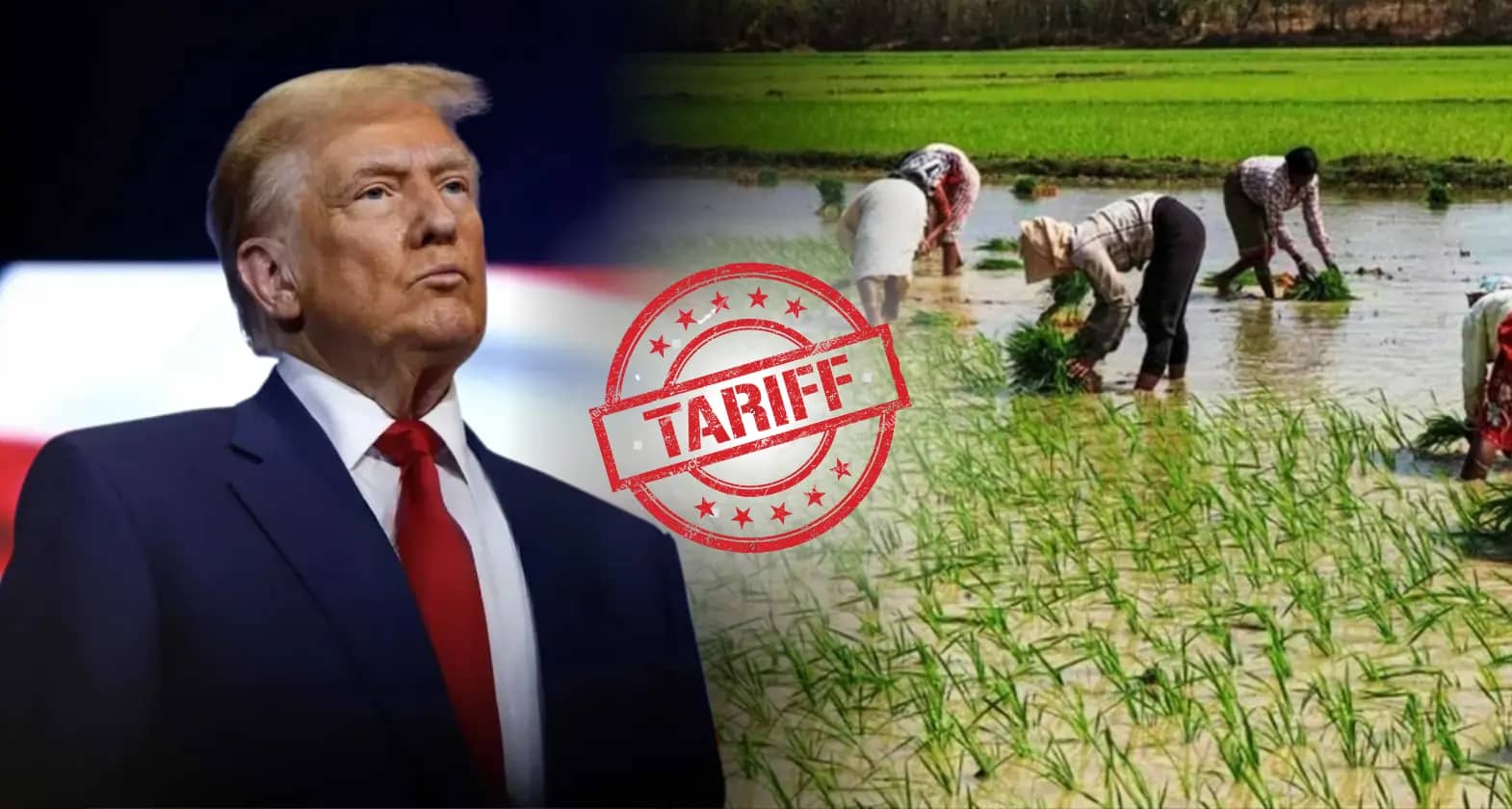
In the high-stakes arena of global agricultural trade, the imposition of 25% tariffs by the United States on select Indian farm exports—announced with characteristic drama by President Donald Trump—is less a catastrophe and more an opportunity in disguise. If handled with foresight and firm resolve, these tariffs could catalyse a strategic reset in India’s agri-trade orientation.
The Trump administration, both past and present, has displayed a tendency toward transactional diplomacy—often clouded by spectacle and short-term optics. The latest tariff move, wrapped in rhetoric about “protecting American farmers” and peppered with dismissive remarks about India’s competitiveness, is not a verdict on the health of Indian agriculture. Rather, it is a reminder that global food and commodity markets are increasingly shaped by political noise.
India’s agricultural sector—rooted in diversity from Basmati rice to buffalo meat, from fish to fresh and from spices to cotton—is far more resilient than what is captured in tariff schedules. The immediate impact will be felt in certain export lines: rice, processed foods, spices, aquaculture, and some horticulture products. But the deeper story is one of adaptation.
From Tariff Shock to Trade Pivot
What Indian agriculture needs is not panic, but a pivot. Tariff disruptions must be treated as the price of transition—a stepping stone toward expanding agri-export markets, diversifying product portfolio, upgrading processing and quality standards, and reducing dependence on any single buyer nation.
Just as farmers diversify crops to reduce risk, India must diversify trade partners—strengthening links with Africa, the Middle East, Southeast Asia, and Latin America. Bilateral and regional trade pacts, combined with active agricultural diplomacy, can ensure that temporary storms do not uproot long-term growth. The India-UK CEPA kind of agreements with key nations would give fresh boost to the sustainable agro exports.
Rethinking Strategic Dependence in Agriculture
The way forward is Atmanirbharta (self-reliance) in agricultural technology: investing in indigenous R&D, strengthening public–private breeding programs, and scaling affordable mechanisation for smallholders. Multi-sourcing from partners like Israel, Japan, Brazil, and France can further hedge risks.
Substantial increase in MAI funds to Rs. 1200-1500 crores or more and APEDA budget to Rs 800-1000 crores will help taking Indian agro brands to the world through BSM, RBSM, Road Shows etc. and promoting GAP certification in all export oriented commodities, and orienting education and extension system to exports, QA labs and logistics, and districts as Export Hubs, aligning with ODOP.
Global Buyers: Partnership, Not Extraction
For decades, global agribusiness giants have benefited from India’s agricultural capacity—sourcing raw commodities at competitive prices, while investing comparatively little in local supply chain and value chain development or value-addition. Whether it is spice processors, grain traders, or dairy buyers, the model has often been transactional or extractive rather than partnership-driven.
This tariff moment should trigger a rethink: global buyers who truly value India as a long-term sourcing partner must invest in infrastructure, traceability, and farmer training—not just marketing margins. Those swayed by “Trumpian protectionism” may find more comfort elsewhere, but they will also miss out on the unmatched scale and variety India offers.
The Wider Strategic Landscape
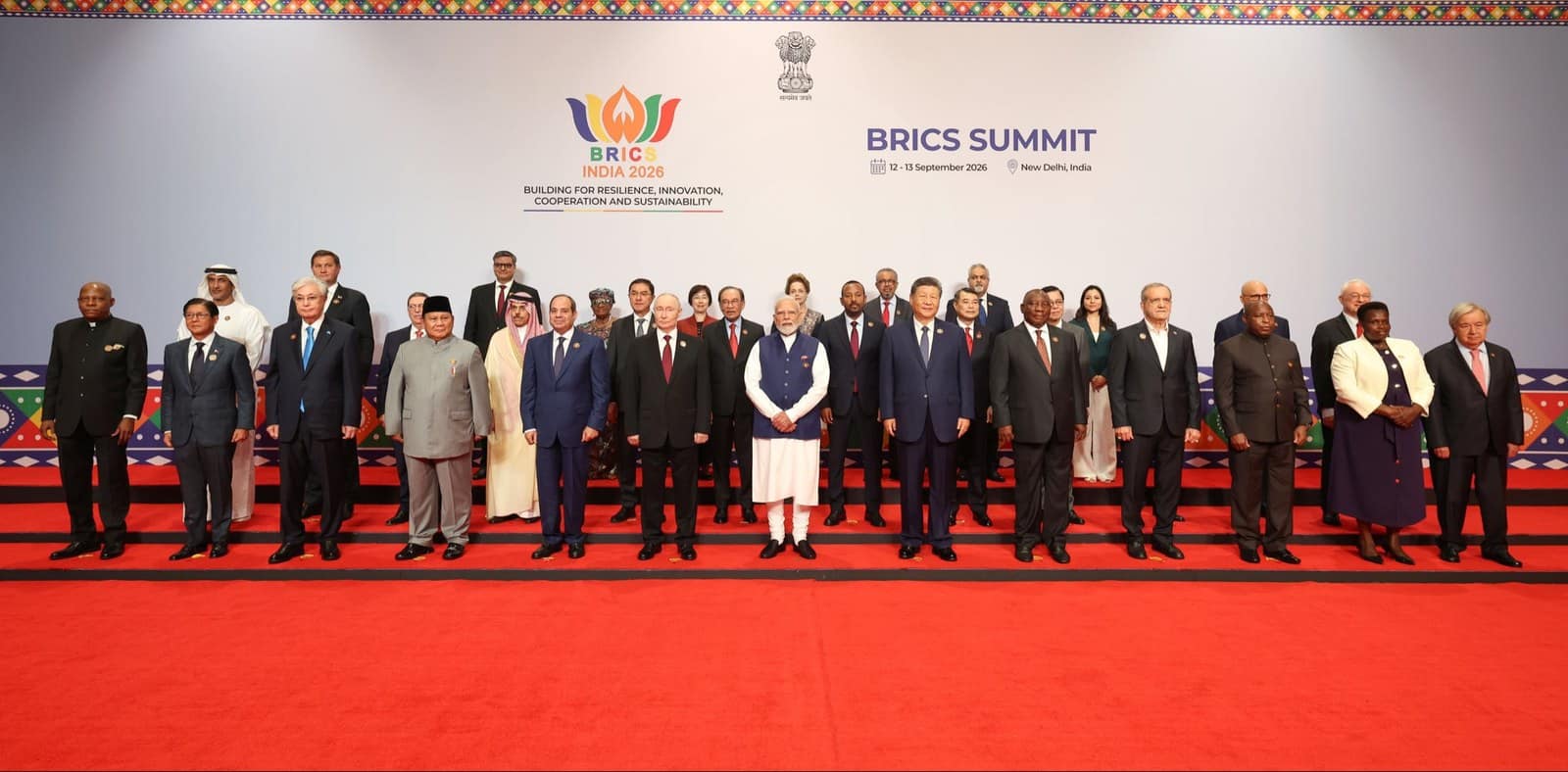
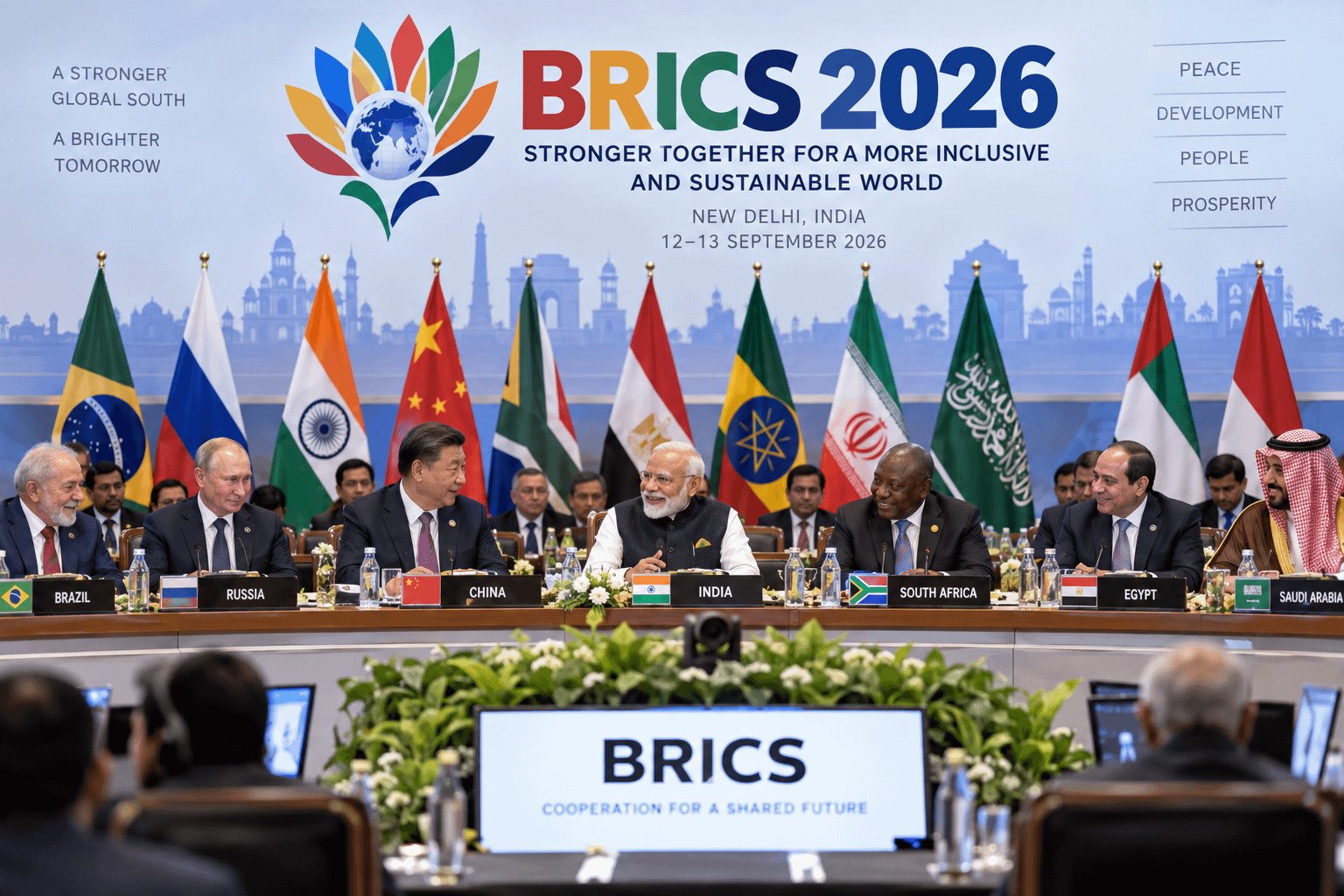
Agriculture is both economic lifeline and diplomatic lever. Platforms like BRICS Agriculture Ministers’ Forum, the International Solar Alliance’s agri-energy initiatives, and India–Africa Seeds, Digital Agriculture or Farm Tech partnerships are arenas where India can lead.
While geopolitical frictions remain with some countries, selective cooperation—on climate-resilient crops, sustainable fisheries, and digital agriculture—can build resilience into the global food system. Russia, for example, continues to offer stable fertiliser supplies, and gulf the gases, reinforcing the importance of diverse relationships.
A Tariff Today, Food Security Tomorrow
In the final analysis, the Trump tariffs are more theatre than threat. They signal America’s inward turn, not India’s weakness. If U.S. policy remains protectionist, the long-term damage may be more to American importers and consumers than to Indian farmers. For US demand for market access for its dairy and farm produce, the Prime Minister, Modi has taken firm stand to protecting lives and livelihoods of millions of dependant farmers and their families, than transacting the trade. India’s response is calm but assertive: invest in trade diversification, modernise agricultural supply chains, invest in value addition, and deepen South–South cooperation. In the face of noise, agriculture’s roots must grow deeper. Tariffs are storms; resilience is the soil. And in the global marketplace, those who stand tall in the wind will harvest the future.
The author is Chairman Emeritus, Indian Chamber of Food and Agriculture (ICFA), President, International Agriculture Consulting Group