Gender Equality & Workplace Inclusion in South Asia: A Policy-driven Corporate Framework
 Staff, DigiTIMES.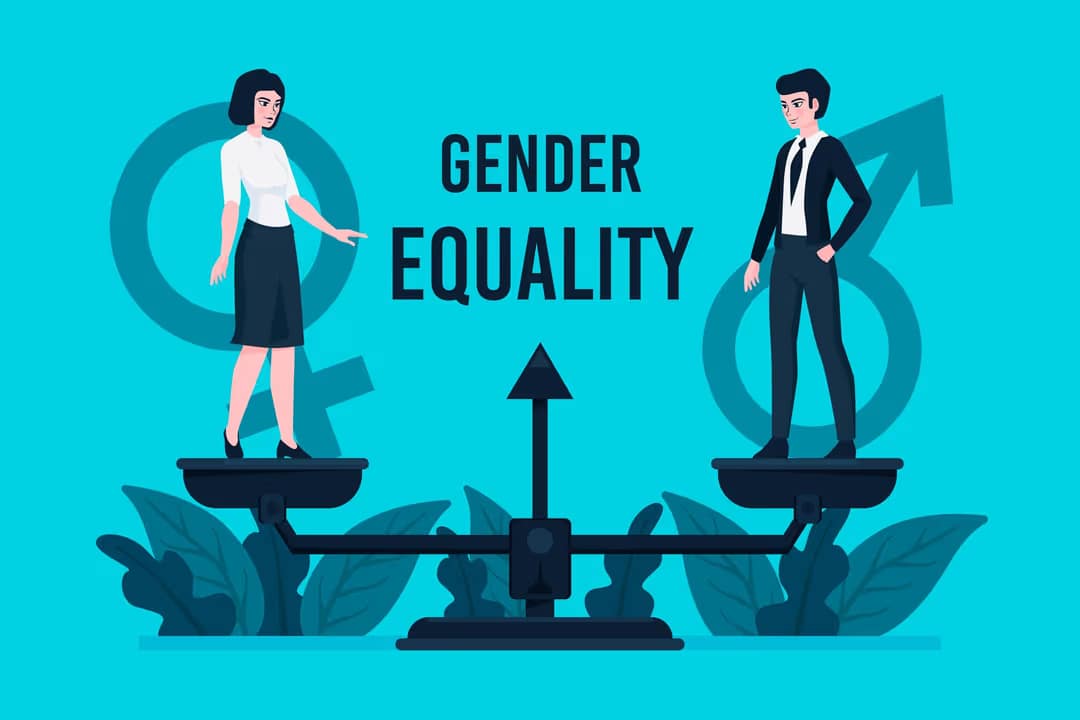
Companies that embed inclusion into their governance frameworks consistently report higher productivity, improved innovation outcomes, stronger and better employee branding, and better risk management.
| Dr. Rajen Mehrotra
Gender equality has become a defining pillar of modern organisational excellence. Companies that embed inclusion into their governance frameworks consistently report higher productivity, improved innovation outcomes, stronger and better employee branding, and better risk management. As organisations in South Asia expand their footprint into larger markets, expectations around workplace diversity and gender-equitable practices have increased sharply.
While the region has made notable strides – especially in education and the entry of women into professional roles – sustained participation and leadership representation by women continue to lag due to structural, cultural, and policy-driven barriers. These challenges must be addressed through deliberate, systemic and organisation-wide interventions.
International Women’s Day & International Men’s Day
Observed on 8th March, International Women’s Day traces back to the 1917 Russian women’s strike during the Russian Revolution for “bread and peace”. This date was officially adopted by the United Nations in 1977. It represents global alignment on the need for gender parity and women’s rights.
International Men’s Day was initiated by Dr. Jerome Teeluckshing in Trinidad and Tobago on 19th November 1999. While he chose the date to honour his father’s birthday and to celebrate positive role models in society, today the date is used to focus on male mental health, responsible fatherhood, and equitable social responsibilities. This day does not have UN recognition yet, but is commemorated in many countries.
Together, both these days underscore the need for balanced, inclusive policy interventions.
Key International Labour Organization (ILO) Conventions on Women’s Rights
Established in 1919, International Labour Organization (ILO) a tripartite organization, presently has 187 countries as member states. The ILO has a global role to play in setting labour standards and its secretariat peruses member countries to ratify the Conventions and ensure compliance of the same for the benefit of labour, employers’ and government. The fundamental principle of the ILO is that every individual at work has rights, so based on its strong commitment to equality of opportunity and treatment between men and women in the world of work, ILO has adopted the following instruments on women’s rights: –
- Night Work (Women) Convention (Revised), 1948 (No. 89): This convention, while revised, historically addressed the prohibition of night work for women in industrial undertakings. This convention is ratified by 67 countries.
This convention has been revised and presently we have Night Work (Women) Convention (revised) (No.171) adopted in 1990.
- Equal Remuneration Convention, 1951 (No. 100): This convention requires ratifying countries to ensure equal pay for men and women for work of equal value. This convention is ratified by 175 countries.
- Maternity Protection Convention (Revised), 1952 (No. 103): This Convention applies to women employed in industrial undertakings and in non-industrial and agricultural occupations, including women wage earners working at home. This convention is ratified by 41 countries. This convention has been revised and presently we have Maternity Protection Convention (revised) (No. 183) adopted in 2000.
- Discrimination (Employment and Occupation) Convention, 1958 (No. 111): This convention prohibits discrimination in employment and occupation based on sex. This convention is ratified by 175 countries.
- Workers with Family Responsibilities Convention, 1981 (No. 156): This convention aims to help workers with family responsibilities balance their work and personal lives, promoting equality of opportunity and treatment. This convention is ratified by 49 countries.
- Night Work Convention, 1990 (No. 171): This convention mentions specific measures required to be taken for night workers in order to protect their health, assist them to meet their family and social responsibilities, and compensate them appropriately. This convention is ratified by 17 countries.
- Maternity Protection Convention, 2000 (No. 183): This convention focuses on providing maternity protection for women workers, including right to leave, cash and medical benefits. This convention is ratified by 44 countries.
- Violence and Harassment Convention, 2019 (No. 190): This is the first international treaty to recognise everyone’s right to a world of work free from violence and harassment, including gender-based violence and harassment. This convention is ratified by 51 countries.
Details of ratifications of these eight ILO Conventions on Women by the seven South Asian Countries (i.e., Afghanistan, Bangladesh, India, Maldives, Nepal, Pakistan and Sri Lanka) who are members of ILO, are given below. Bhutan is not a member of ILO, hence not included in the table below.
Table One
| ILO Convention | Afghanistan | Bangladesh | India | Maldives | Nepal | Pakistan | Sri Lanka |
|---|---|---|---|---|---|---|---|
| C No. 89 | No | No | Yes | No | No | Yes | Yes |
| C No. 100 | Yes | Yes | Yes | Yes | Yes | Yes | Yes |
| C No. 103 | No | No | No | No | No | No | Yes |
| C No. 111 | Yes | Yes | Yes | Yes | Yes | Yes | Yes |
| C No. 156 | No | No | No | No | No | No | No |
| C No. 171 | No | No | No | No | No | No | No |
| C No. 183 | No | No | No | No | No | No | No |
| C No. 190 | No | No | No | No | No | No | No |
The data in the table clearly shows that the eight ILO Conventions on Women have two Conventions (i.e. C100 & C111) ratified by all seven countries. These two conventions are part of ILO’s Fundamental Conventions which are the foundation for the ILO’s Decent Work Agenda, which is presently part of United Nations Global Compact & United Nations’ Eighth Sustainable Development Goal – SDG 8, i.e. “Decent Work and Economic Growth”.
Every country is sovereign and hence it may or may not ratify an ILO Convention, however when a country ratifies an ILO convention then it needs to comply with it. Convention 89 which deals with women working at night is ratified by India, Pakistan & Sri Lanka, but the reality is that there are transport & safety issues to be dealt with for women working at night. Convention 103 deals with Maternity Protection and is only ratified by Sri Lanka, but each of the countries of South Asia do provide for maternity leave, as per the country’s laws. While convention 156, 171, 183 & 190 are not ratified by any of the South Asian countries, there are laws to take care of night work, sexual harassment at the work place and violence against women in each of these countries.
Gender Equity in South Asia: Progress and Persistent Gaps
If human rights are to be achieved then gender equality is an essential criterion for its success. Several international organisations have highlighted the advantages of gender equality. The Beijing Declaration and Platform for Action, unanimously adopted by 189 countries in 1995 and still the strongest global consensus for advancing and protecting girls’ and women’s equality and justice, recognises that persistent inequalities pose “serious consequences for the well-being of all people.”
United Nations’ Fifth Sustainable Development Goal – SDG 5 is to “Achieve gender equality and empower all women and girls”. This goal aims to end all forms of discrimination and violence against women and girls, promote their full participation in public life and decision-making, and ensure equal rights to economic resources and education.
South Asia has seen several important improvements in the area of gender parity over the past two decades, especially in the urban workforce. More women today have access to higher education, professional training and employment opportunities across sectors such as banking, healthcare, consulting and technology, than before. Accelerated digital adoption and post-pandemic hybrid work models have enabled women to access roles once restricted due to mobility or domestic constraints.
Having said that, in every region of the world, girls and women are underrepresented in leadership positions, and also politically sidelined. While South Asia has had women political leaders at top leadership position, there is no doubt that while each one of them was competent, they had the advantage of political lineage. This is also reflected in family managed businesses where wives and daughters have been inducted into the business.
Workplace Diversity
Workplace diversity extends much beyond gender diversity. At a higher plane, it essentially implies inducting talent with diverse thoughts, views, values, perspective and belief systems. Diversity, however is only half of the story, the other half comprises “Inclusion”. The approach of companies should not just be about headcount but about real inclusion supported by all senior managers and the Company Head. Hiring a diverse workforce is not the same as inclusion.
A diverse workplace brings together a variety of perspectives, which can facilitate stimulating innovation, improve problem-solving, and lead to a more robust enterprise culture. Effective diversity management involves creating a place where everyone feels welcomed, able to speak up, share insights, experiences psychological safety and non-preferential treatment which is crucial. Inclusivity is the key driver of individual motivation and engagement.
While dealing with Diversity & Inclusion issues at the workplace, one can’t be blind to the LGBTQ+ factor. Viewed from South Asian socio-cultural context, our society still looks at them with a jaundiced eye. Hence, these employees may not come out in the open; consequently, they are likely to get socially alienated and feel marginalised. It becomes incumbent on top management to ensure their inclusivity into the ecosystem.
Workplace Diversity & Gender Equality
Driving diversity and gender equality involves implementing policies like mentorship programs and ensuring fair pay. For example, The Board of Control for Cricket in India (BCCI) is one of several sports organisations and national cricket boards that have taken steps toward gender pay equity in cricket. There is a need to address systemic issues like gender bias. Key strategies include setting diversity goals, tracking progress, creating inclusive hiring practices, and supporting women’s career advancement through mentorship and family-friendly interventions.
Existing Situation of Women in South Asia
There are certain changes over the last 25 years that have occurred in South Asia as can be seen from the points outlined below:
- Family size has reduced
- Concept of “Androgyny” still not used in upbringing of children
- Effort of most parents to give quality education to the female child
- Employment market is becoming increasingly competitive, more male aspirants than female
- Work schedule, as it exists today is not necessarily user friendly especially for women with family responsibilities. Flexible work arrangements are common in only a few companies
- Post COVID 19 work from home or work from anywhere has been introduced where practicable, especially in the service sector. This has been a boon to women employees
- Attitude of male bosses, colleagues and subordinates not necessarily very favourable towards women employees
- Expectations of the family members are that working women need to have family centered priorities compared to working men. There is need for support and understanding from husband/family members towards working women
- Still a major assumption that the bread-winner of the family is male. Though presently in the younger generation both the husband and wife are working
- Need for a balance between work and home life that is fair to both men and women
- Absence of paternity leave legislation in South Asian countries, though a select few companies practice it
Regardless of all of these, there is much more that needs to be done on the socio-economic front to facilitate gender equality:
Successful Women Executives
In my over five decades of industrial, academic, international civil service and consulting experience based on interaction with successful women executives who reached senior positions, I found that most of them had the following characteristics:
- They were very knowledgeable and highly competent in their work
- Articulate in their speech and assertive on issues
- Could freely interact with their male colleagues both at the workplace and socially
- Capable of putting in long hours of work, if the situation demanded
- Ability to withstand work pressure and handle any crisis
- Did not hesitate to pull up persons who were not able to perform to prescribed norms.
While, most of these qualities are also required for men to be successful, women need to be exceptionally skilled in these areas to succeed. In addition, they need to be able to withstand the impact of the exclusive ‘Boys club’. These are the small coteries of senior male executives who are uncomfortable with women in senior executive positions. When these persons report to a woman executive, they resent it hugely and therefore at times underperform in their jobs.
In India an important factor is also the family background of the male executives. If they come from families who treat woman as ‘Children of a Lesser God’ it is tough for them to work with women executives as equals. Women executives therefore need to be not only highly competent, but also have the ability to manage the above special issues with a mix of sensitivity, humour and diplomacy. The silver lining in these clouds is that once a women executive proves her capability, most of the male executives fall in line and support her.
A few years ago, I asked a successful woman executive who had broken the “glass ceiling” in the organisation, to briefly narrate her experience of having achieved success. She remarked “Behind every successful women executive there are many men who wanted to prevent her success”. She was narrating her experience at the junior, middle and senior management levels as she moved up. She mentioned that when she came to middle management level, she could see the discomfort among her peers. She conceded that a woman executive has to be highly competitive, have high work ethics and commitment to the job and demonstrate the same by performance. She also said that there is need for women to ask for a fair deal in the organisation in which they work because not every enterprise is progressive and the policies as written versus as practiced can differ.
Male Allyship as an Organisational Strategy
Male allyship is essential – more so in industries where the workforce is predominantly male such as manufacturing. Allyship involves using one’s influence to support an inclusive environment, to be an advocate for equity and to challenge exclusionary behaviour when required. It calls for the active involvement of all men, particular those in positions of power.
Effective allyship includes:
- Calling out sexist remarks or biased behaviour
- Supporting women as they rise the corporate ladder
- Allowing women not only to have a seat at the table but also a voice at the table
- Championing flexible work options for women with home responsibilities
- Being an advocate for women.
South Asia has patriarchal societies, so it will take time to achieve the ideal balance, but we must continue to strive towards achieving this.
Well-known banker K V Kamath was one of those in India who actively mentored women in ICICI / ICICI Bank, and several of them such as Madhavi Puri Buch, Shikha Sharma, Zarin Daruwala and Renuka Ramnath, broke the proverbial glass ceiling in the Banking and Financial Sector.
Conclusion
Gender equality is a strategic necessity for organisations operating in competitive and dynamic markets. Embedding gender-inclusive practices will ensure long-term sustainability and alignment with global standards currently driven by several multinationals across industries and sectors in South Asia.
To achieve meaningful progress, organisations must commit to structural reform, behavioural change, and leadership accountability. In doing so, they will unlock the full potential of their talent and create workplaces where all employees can thrive regardless of their gender.
There is a need for companies in South Asia to have a policy in their organisation on gender equity which deals with the following areas:
- Recruitment – gender neutral job descriptions
- Education, Training and Development – structured mentorship programmes
- Performance Appraisal – bias-free assessment criteria
- Career growth and promotion – transparent talent reviews and growth pathways
- Functional and geographic mobility – hybrid and flexible work models for all employees
- Maternity/paternity and child care – return to work programmes
- Prevention of sexual harassment – visible leadership endorsement of safety and dignity at work
- Pay parity / remuneration – annual compensation benchmarking and pay-gap analysis
- Constant communication reinforcing all the above.
Would like to conclude with a reference from “My Life in Full: Work, Family, and Our Future”, the biography of Indra Nooyi, former chairman and chief executive officer (CEO) of PepsiCo”. On being appointed President of PepsiCo in 2001, she returned home excited to share the news with her mother who was visiting at the time. Her mother’s response was a pragmatic instruction to go to the market to get milk, saying: “Let me explain something to you. You may be President of PepsiCo, but when you are home, you are a wife and a mother first. Nobody can take that place. So, leave that crown in the garage”.
That is true – that nobody can take the place of women in our families and women have it harder. However, we must remember that the sun will always rise. So let us come together to ensure gender equity!
The author is Past President of Industrial Relations Institute of India (IRII), Former Senior Employers’ Specialist for South Asian Region with International Labour Organization (ILO) and Former Corporate Head of HR with ACC Ltd. and Former Corporate Head of Manufacturing and HR with Novartis India Ltd. Continues to maintain close links with the academic world as a visiting faculty with some of the IIMs. E-Mail: rajenmehrotra@gmail.com
**Paper for UNI Apro South Asia Professional Women’s Network (SAPWN) meeting on 09 & 10 December 2025 in Kathmandu, Nepal. Published in December 2025 issue of “Current Labour Reports (CLR).