Delhi Turns into a Tinderbox: Fire Mishaps Surge with Rising Mercury; 66 Dead This Year
 Staff, DigiTIMES.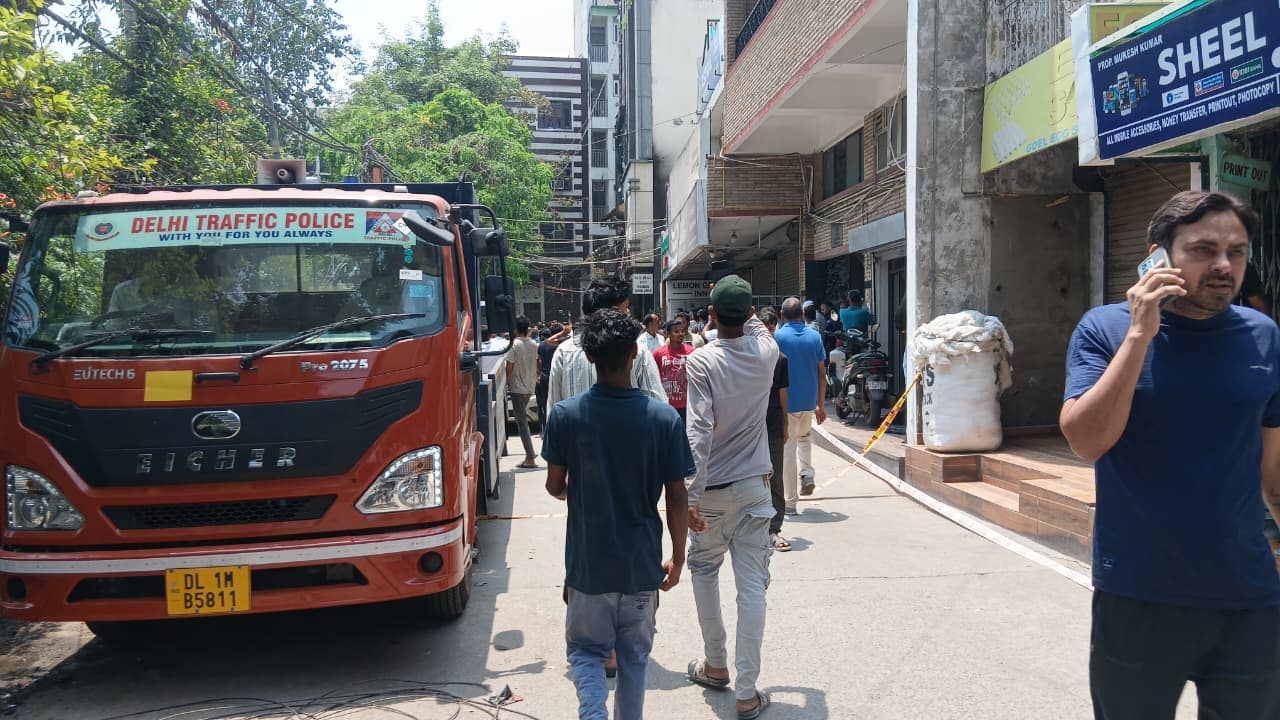
The aftermath of a deadly hotel fire in Delhi's Malviya Nagar on June 3, 2026. The blaze claimed 22 lives, including those of several foreign nationals, and injured dozens more. (Photo Credit: Correspondent)
As summer temperatures soar across the national capital, Delhi is witnessing an alarming surge in fire incidents, exposing growing concerns over public safety and emergency preparedness. The crisis reached a tragic peak on June 3, when a massive fire broke out at a hotel in Malviya Nagar, claiming 22 lives, including several foreign nationals, in what has emerged as the deadliest fire incident in the city this year.
According to data from the Delhi Fire Service (DFS), 44 people had already lost their lives in fire-related incidents during the first five months of 2026 (January 1–May 31). With the addition of the Malviya Nagar tragedy, the death toll from fire outbreaks this year has risen to 66, underscoring the increasing risks posed by extreme heat, ageing infrastructure, and lapses in fire safety compliance.
May Witnesses Maximum Devastation: 3,410 Fire Incidents
An analysis of DFS data reveals a sharp escalation in fire incidents as temperatures intensified during the summer months. By May 31, the department had received 16,702 emergency calls, of which 10,103 were related to major or minor fire outbreaks. May alone accounted for 3,410 fire incidents—the highest monthly figure recorded this year—translating into an average of more than 110 fire calls every day.
The month-wise breakdown of fire incidents highlights the steep upward trend:
- January 2026: 1,396 incidents
- February 2026: 1,096 incidents
- March 2026: 1,538 incidents
- April 2026: 2,663 incidents
- May 2026: 3,410 incidents
The data points to a strong correlation between rising temperatures and the increasing frequency of fire outbreaks across the city. As Delhi battled intense heatwave conditions in May, the burden on emergency response services reached unprecedented levels leaving them overstretched. At the same, the situation serves as a barometer for assessing city’s preparedness to tackle large-scale fire emergencies in the future.
According to A.K. Malik, Chief Fire Officer, Delhi, “The recent surge in fire incidents across Delhi is deeply concerning. Rising summer temperatures, overloaded electrical systems, and neglected garbage dumps have severely compounded the risks. The Delhi Fire Service is working tirelessly, but preventing such tragedies requires immediate, collective action. We urgently appeal to everyone to conduct comprehensive fire safety audits.”
Year’s Worst Tragedy: 22 Dead in Malviya Nagar Hotel Fire
The deadliest fire incident in Delhi this year occurred on June 3, when a massive blaze engulfed the Flourish Stay hotel in Hauz Rani, Malviya Nagar, claiming 22 lives and leaving dozens injured.
According to authorities, 49 people were rushed to various hospitals following the incident. Of the deceased, nine were Indian nationals while 13 were foreign nationals. The remaining 27 victims sustained serious injuries, with several reported to be in critical condition.
Police have registered a case of culpable homicide not amounting to murder and arrested the hotel owner, Lavkesh Bajaj. The tragedy has once again raised concerns over fire safety compliance in commercial establishments across the capital.
Prior to the Malviya Nagar disaster, the most severe fire incidents of the year were reported from Dwarka and Vivek Vihar, where residential fires claimed nine lives each.
Garbage and Scrap Fires: A Growing Urban Hazard
Accumulated garbage and scrap materials have emerged as a major contributor to fire outbreaks across Delhi. Data from the Delhi Fire Service (DFS) shows that of the 10,103 fire-related calls received between January 1 and May 31, as many as 2,864 were linked to fires in garbage dumps, landfills, and scrap heaps.
The month-wise breakdown of garbage fire calls is as follows:
- January: 441 calls
- February: 331 calls
- March: 539 calls
- April: 725 calls
- May: 828 calls
May recorded the highest number of garbage fire incidents, coinciding with soaring temperatures across the city.
The figures point to a growing civic challenge, with unattended waste sites and open dumping grounds becoming highly vulnerable to combustion during extreme summer conditions. Experts warn that such locations act as ticking time bombs, threatening nearby residential and commercial areas.
Firefighters Battle Rising Risks
Amid the surge in fire incidents, Delhi Fire Service personnel have played a crucial role in saving lives. Between January 1 and June 3, firefighters rescued and facilitated medical treatment for 417 burn victims.
Officials attribute the increase in fire incidents to a combination of extreme weather conditions and human negligence. Common causes include electrical short circuits, overloaded transformers, illegal storage of combustible chemicals, poor maintenance of electrical systems, and widespread violations of fire safety norms in residential and industrial premises.
Safety experts stress that unless authorities undertake comprehensive fire safety audits, strengthen enforcement mechanisms, and improve public awareness regarding fire prevention, the capital could witness even more devastating incidents in the coming months.
With 66 fire-related deaths already reported this year, Delhi’s growing fire crisis underscores the urgent need for stronger preparedness, stricter compliance, and proactive urban risk management.
Statistical Overview (Delhi Fire Service Data)
(Note: 2026 data is updated until June 3)
Year-Wise Casualties (Comparative):
| Year | Deaths | Injured |
| 2024 | 113 | 558 |
| 2025 | 71 | 529 |
| 2026 | 66 | 417 |
Month-Wise Breakdown for 2026
(Note: June data is updated until June 3)
| Month | Deaths | Injured |
| January | 06 | 41 |
| February | 06 | 46 |
| March | 15 | 68 |
| April | 05 | 119 |
| May | 12 | 116 |
| June | 22 | 27 |
Delhi’s Deadly Fire Trail: Malviya Nagar Tragedy Adds to Growing List of Disasters
The devastating fire at a hotel in Malviya Nagar’s Hauz Rani area on June 3, 2026, which claimed 22 lives, has once again highlighted the growing fire safety crisis in the national capital. The incident now joins a grim list of some of Delhi’s deadliest fire disasters, raising fresh concerns about building safety, regulatory enforcement, and emergency preparedness.
Major Fire Tragedies in Delhi’s History
- Mundka Factory Fire (May 2022)
A massive blaze engulfed a four-storey commercial building in West Delhi’s Mundka area, killing 27 people and injuring several others. The tragedy exposed serious lapses in fire safety compliance and emergency exits. - Anaj Mandi Fire (December 2019)
One of Delhi’s worst industrial fire disasters, the blaze in a factory building on Rani Jhansi Road in Old Delhi claimed 43 lives. Many workers were trapped inside the congested premises during the early morning hours. - Uphaar Cinema Tragedy (June 1997)
The fire at the famous cinema hall in Green Park remains Delhi’s most infamous fire disaster. A total of 59 people lost their lives and over 100 were injured during a movie screening, leading to a prolonged legal battle and major reforms in public safety regulations.
Major Fire Incidents in Delhi During 2026
Delhi has witnessed a disturbing rise in fatal fire incidents this year:
- January 6: A fire at the Majlis Park Metro Quarters in Adarsh Nagar killed a couple and their 10-year-old daughter.
- February 18: A residential fire in Palam wiped out nine members of a single family.
- March 4: A blaze at a toy warehouse in Sadar Bazar left two people dead.
- March 4: A fire in a JJ Cluster in Rohini claimed the life of a teenage girl.
- March 15: A bathroom fire in Badarpur resulted in the death of a 65-year-old woman, Veena.
- May 3: A major fire in a four-storey building in Vivek Vihar killed nine people.
- June 3: The Malviya Nagar hotel fire claimed 22 lives, making it the deadliest fire incident in Delhi so far this year.
Rising Temperatures, Rising Risks
The surge in fire incidents has coincided with soaring summer temperatures across Delhi. Experts point to overloaded electrical systems, illegal building modifications, poor maintenance of firefighting equipment, and highly combustible waste accumulation as key factors behind the increasing frequency of such tragedies.
With inputs from Senior Correspondent Dhananjay Verma