NEW DELHI, July 10, 2026 /debcubspark.com-DigiTIMES./ — The Energy and Resources Institute (TERI) has called for an accelerated adoption of solar thermal technologies to help decarbonise India’s industrial sector, recommending the launch of a dedicated National Solar Thermal Mission to reduce dependence on fossil fuels and support the country’s transition towards a low-carbon economy.
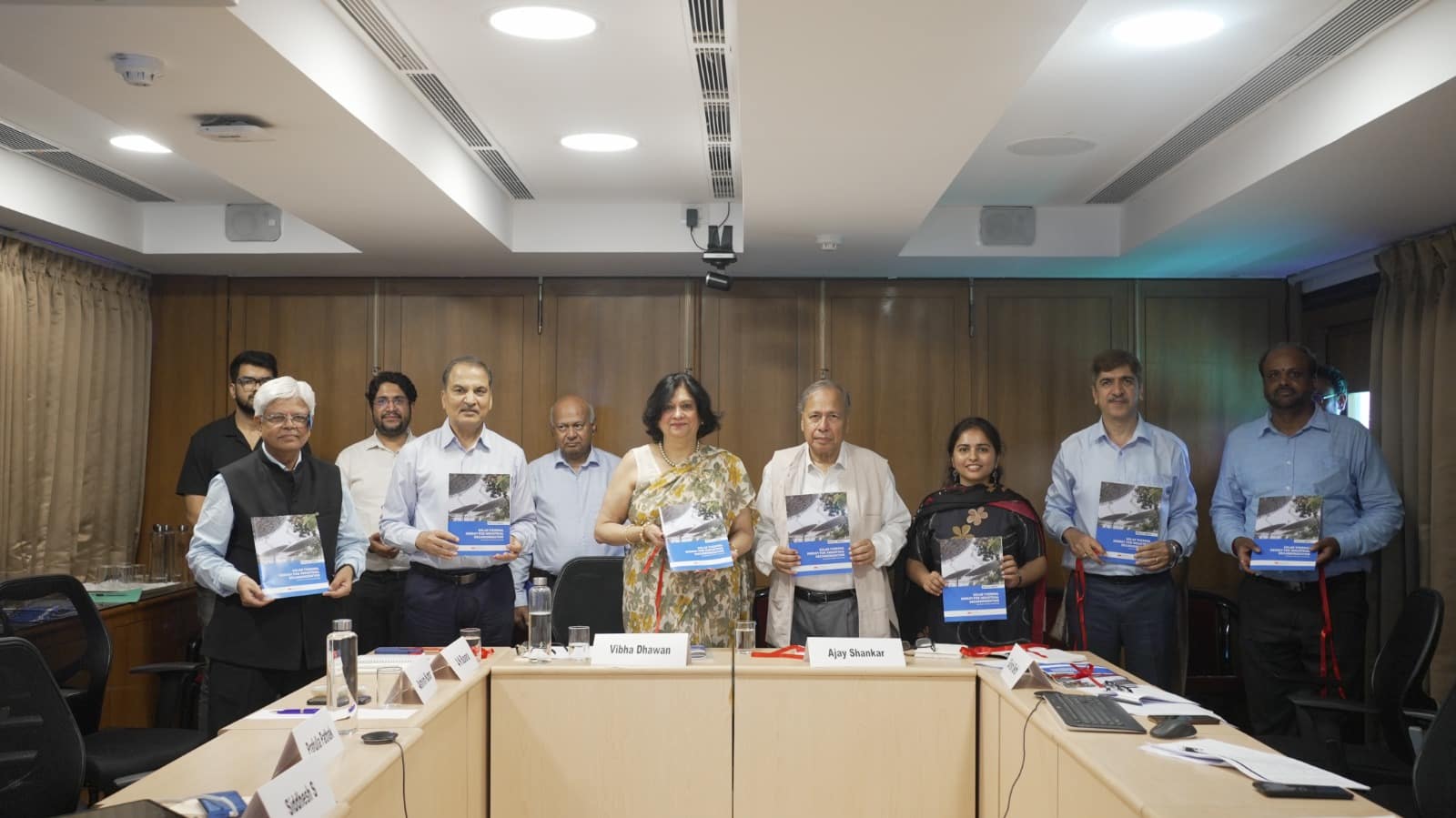
The recommendations are contained in TERI’s Policy Brief on Solar Thermal Energy for Industrial Decarbonization, released during a hybrid event in New Delhi on Friday. The event brought together policymakers, industry leaders, researchers, technology experts and other stakeholders to discuss strategies for mainstreaming solar thermal technologies across industrial applications.
Addressing the gathering, Dr. Vibha Dhawan, Director General of TERI, said India’s journey towards achieving net-zero emissions would depend on enabling small and medium enterprises (SMEs) to adopt clean process heat technologies.
“India’s net-zero transition depends on empowering SMEs to overcome financial and technological barriers through affordable capital, proven pilot projects, and market-driven ESG incentives for clean process heat,” she said.
The policy brief was presented by Mr. Ajay Shankar, Distinguished Fellow at TERI, along with Ms. Urvashi Singh, Research Associate, and Dr. N K Ram, Senior Fellow. The study outlines a roadmap for scaling up solar thermal technologies in industries that require process heat, including food processing, textiles, dairy and pharmaceuticals.
Among its key recommendations is the establishment of a National Solar Thermal Mission backed by dedicated institutional support, long-term financing, fiscal incentives and a supportive policy framework to accelerate industrial adoption. The report also advocates affordable financing through fixed-interest loans with repayment periods of up to 15 years, a reduced GST rate of 5 per cent, accelerated depreciation benefits and greater reliance on market competition rather than direct subsidies.
To address implementation challenges, the policy brief proposes setting up a Mission-led Special Purpose Vehicle (SPV) to execute pilot projects, undertake back-to-back contracting for process heat supply, absorb initial project risks through contingent liability and encourage private sector investment until the market matures.
The report further recommends strengthening industry confidence through awareness programmes, enhanced technical capacity, focused research and innovation, and improved system design capabilities. It also calls for pilot projects in industrial parks with shared solar thermal infrastructure and risk-sharing mechanisms before expanding deployment through the retrofitting of existing industrial facilities.
According to TERI, the policy brief is expected to contribute to ongoing policy discussions on industrial decarbonisation and support informed decision-making for the wider deployment of clean thermal energy solutions, strengthening India’s efforts to achieve its long-term climate and energy transition goals.