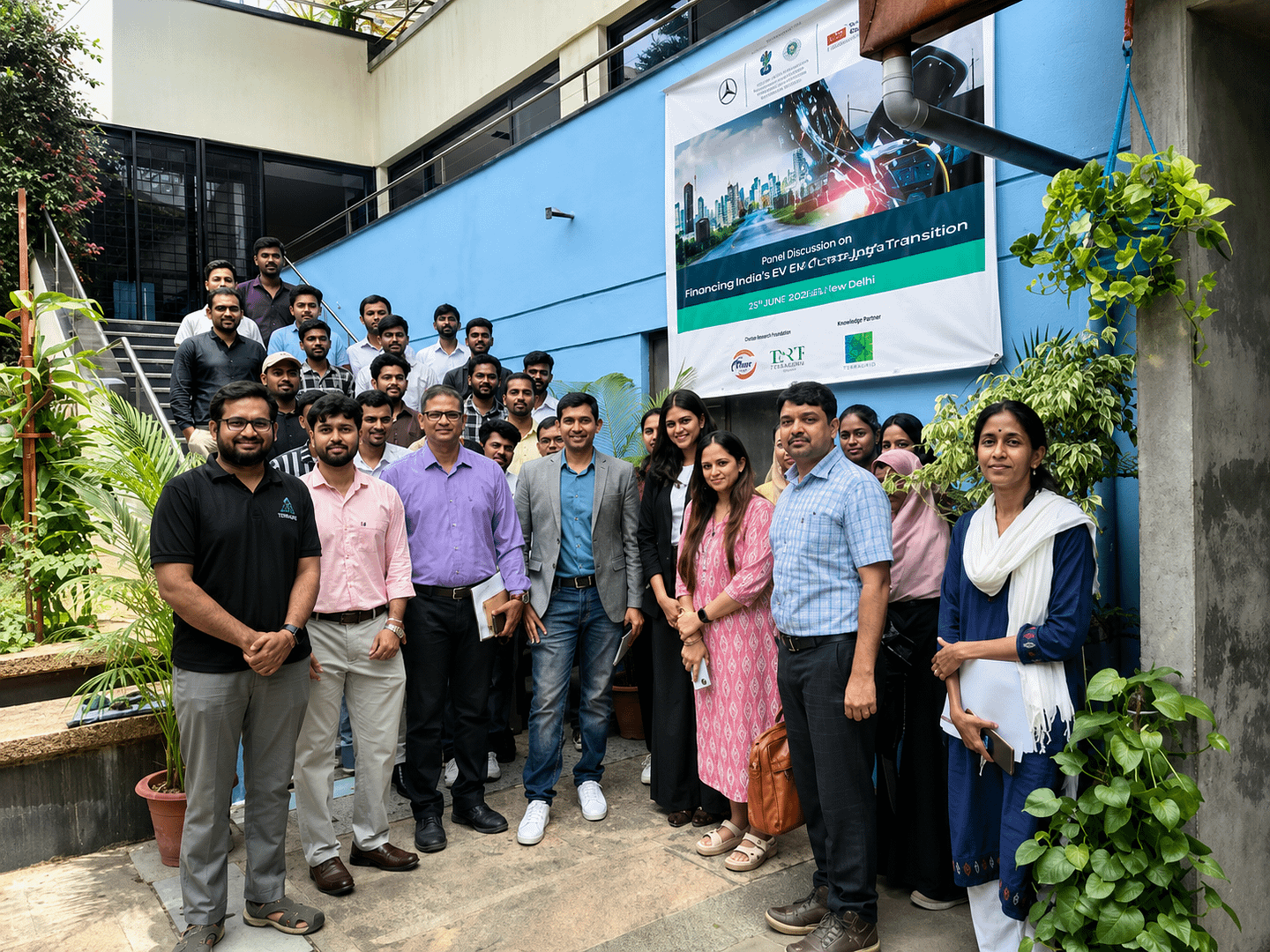
NEW DELHI, June 20, 2026 /debcubspark.com-DigiTIMES./ — Reinforcing its commitment to building a future-ready green workforce, The Energy and Resources Institute (TERI) today inaugurated the Bengaluru training centre under Future-In-Charge Phase 2, an expanded skilling initiative focused on developing industry-ready talent for India’s fast-growing electric vehicle (EV) charging infrastructure ecosystem.
Building on the success of the pilot phase, Future-In-Charge Phase 2 aims to strengthen industry-aligned training, provide hands-on learning opportunities, and enhance employability through stronger industry engagement and placement support. The newly inaugurated training centre at TERI’s Southern Regional Centre in Bengaluru marks a significant milestone in extending the programme’s reach across southern India.
The inauguration brought together representatives from industry, academia, and the clean mobility ecosystem to discuss the growing demand for skilled professionals in India’s electric mobility transition.
Welcoming the participants, Mr Sanketh K V, Research Associate, TERI, highlighted the importance of collaborative efforts in building a skilled talent pool for the emerging EV ecosystem. Ms Pallavi Singh, Fellow, Knowledge Resource Centre, TERI, provided an overview of the Future-In-Charge programme, outlining its objectives, achievements, and roadmap for Phase 2.
Addressing the gathering, Dr G Rudra Narsimha Rao, Senior Fellow & Director, TERI, highlighted the critical role of skill development in enabling India’s clean energy transition and creating sustainable livelihoods in the green economy. “Lack of training in charging infrastructure is the major issue in India. At present the charging infrastructure is meant for industries and highways, not for domestic. The training needs to be convergent with standards, safety and other operating rules including dress code, fire extinguisher,” highlighted Dr Rao.
Speaking on the growing opportunities in the sector, Mr Praveen Chourasiya, Manager, Rajasthan Electronics & Instruments Ltd highlighted the increasing demand for skilled professionals to support the rapid expansion of EV charging infrastructure across the country. Mr Chaurasia noted, “Charging infrastructure is expanding faster than the availability of skilled manpower. A shortage of trained technicians, installers, operators, and maintenance professionals has become one of the major barriers to sustainable EV ecosystem growth. Government mission is 30% of total vehicles shall be EV by 2030. Efforts are made through PM E-drive scheme, State policies, and Charging Infrastructure Investments. The target is to prepare India’s workforce to build, operate, and maintain the charging infrastructure that will power the nation’s clean mobility transition in support of India’s Net Zero Mission”.
Sharing industry perspectives on workforce development, Mr Yedu Jathavedan, Co-founder & Chairman, VisionAstraa Group, emphasized the importance of industry-led training and practical learning in preparing young professionals for the evolving electric mobility landscape. He shared, “Automotive industry is important and is in huge demand for every country. EV technology is evolving everywhere as well in India. India’s ‘Wealth is its People’. There are enough job opportunities in India for the people who are willing to make use of it. There is growth and demand in the industry. VisionAstraa is looking forward to provide its expertise for this phase of training. I encourage students to use these opportunities and become part of India’s evolution technology.
Future-In-Charge Phase 2 represents a collaborative effort to bridge the skill gap in India’s electric mobility ecosystem by equipping youth with industry-relevant technical competencies and practical exposure. Through its expanded training network, strengthened industry partnerships, and focus on employability, the programme seeks to contribute meaningfully to India’s clean mobility ambitions while creating sustainable livelihood opportunities for young professionals.