The Rashtriya Swayamsevak Sangh (RSS) has entered its centenary year, marking a hundred years since its foundation in Nagpur in 1925 by Dr Keshav Baliram Hedgewar. As part of this significant milestone, Dr Mohan Bhagwat, Sarsanghchalak of the RSS, began a three-nation visit to the United States, Canada and the United Kingdom on 25 August 2026. The visit, undertaken at the invitation of local associations and community organisations, represents an important moment in the RSS’s engagement with the Indian diaspora and wider societies abroad.
The central theme of the visit is not political, but civilisational. It seeks to deepen people-to-people connections between Bharat and Indian-origin communities, communicate the philosophy of Vasudhaiva Kutumbakam, the idea that the world is one family and share the lessons of a century of service.
The centenary provides an opportunity to look at the RSS’s evolution and its emphasis on voluntary service. Founded around the daily shakha, the organisation developed a model based on volunteerism, discipline, social interaction and community participation. Today, the RSS conducts thousands of daily shakhas and service initiatives across India. A wider ecosystem of autonomous organisations works in areas including education, healthcare, social welfare, farming, labour, science, sports and tribal development.
One of the prominent themes highlighted in the centenary narrative is seva, or selfless service. It largely points to the organisation’s involvement in relief and humanitarian activities during Partition, natural disasters, wars and the COVID-19 pandemic. During the pandemic in 2020, volunteers are reported to have served across thousands of locations, distributing ration kits, meals and essential supplies.
Another important dimension is social harmony. The RSS’s stated emphasis on bringing people of different social backgrounds together has been expressed through common gatherings, shared meals and initiatives addressing caste-based discrimination. The centenary framework presents social harmony as a process of building unity while retaining diversity.
Dr Bhagwat’s overseas engagements therefore come at a time when the Indian diaspora in North America and Britain has matured. The first generation established communities, the second built institutions, and subsequent generations have grown up as active participants in their respective societies. The visit seeks to explore how cultural heritage can co-exist with full civic participation, enabling diaspora communities to serve as bridges between societies.
The RSS’s centenary message is also framed around Panch Parivartan, or Five Transformations: social harmony, family awakening, environmental responsibility, selfhood and self-reliance, and civic duty. Together, these ideas reflect an approach that begins with individual conduct and extends outward to family, society and humanity.
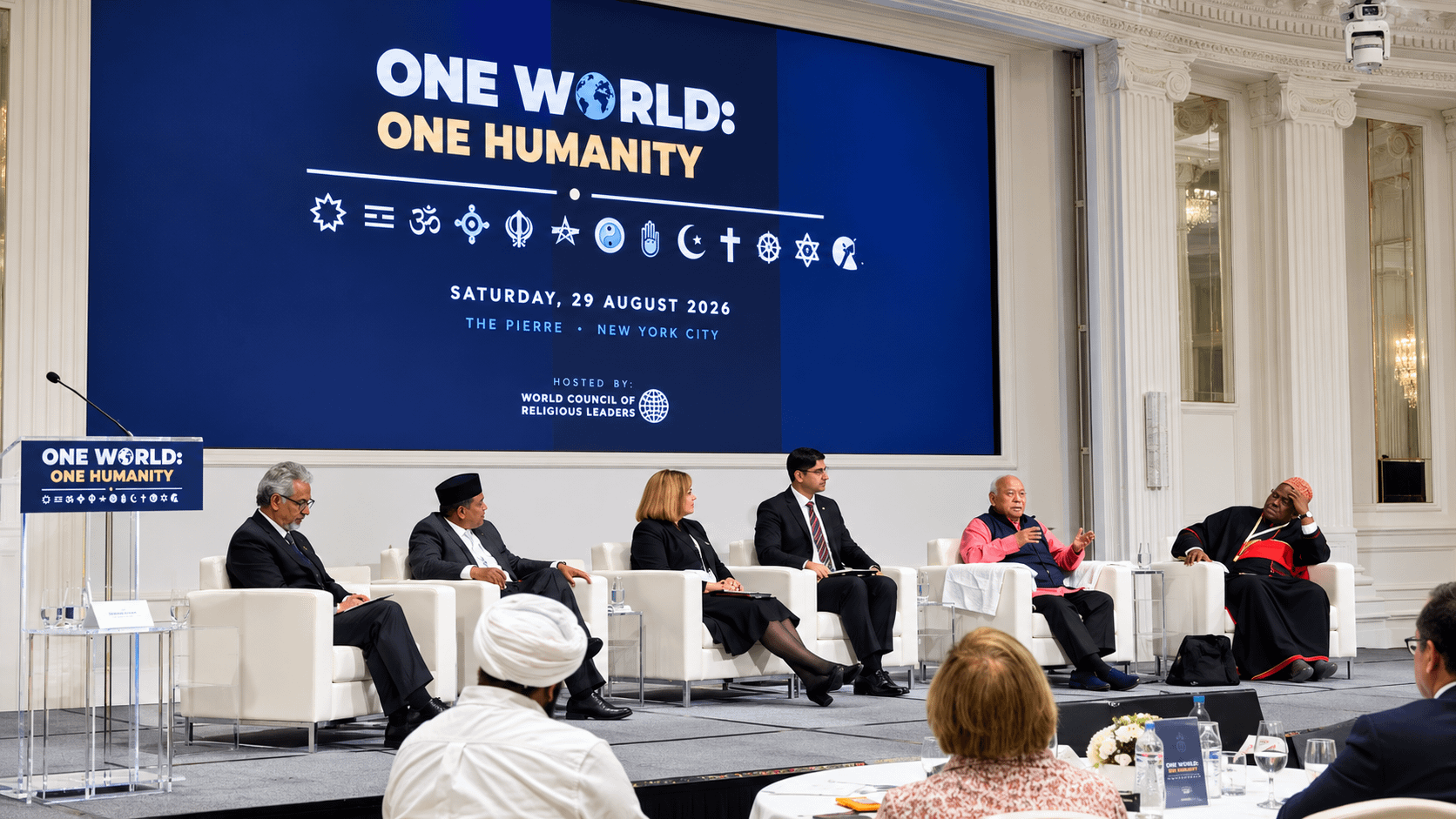
At its heart, Dr Bhagwat’s visit is presented as an invitation to dialogue. The questions it raises around social harmony, family cohesion, ecological responsibility, cultural identity and civic duty are not limited to any one country. The centenary outreach seeks to situate these ideas within a broader global conversation and present the experience of a century of voluntary service as part of a continuing civilisational dialogue.
Contributed by Centre for Integrated and Holistic Studies (CIHS)