


| By Dr. M.J. Khan
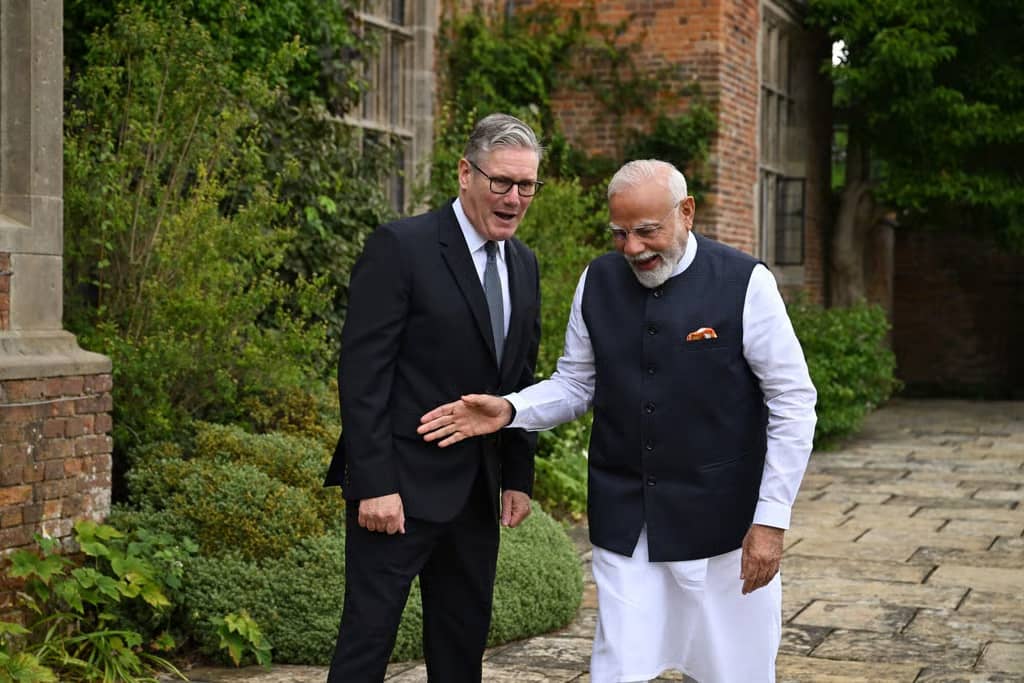
On July 24, 2025, a historic agreement reached, as India and the United Kingdom signed the much-awaited Comprehensive Economic and Trade Agreement (CETA) during Prime Minister Narendra Modi’s official visit to London. This landmark deal—one of India’s most significant bilateral trade agreements with a developed nation—opens a new chapter in Indo-UK economic relations, with far-reaching implications for Indian agriculture, trade, and the rural economy. While the broader trade framework includes tariff eliminations across goods, services, and investments, a standout feature is the strong emphasis on agricultural and processed food exports. At a time when India seeks to reposition its farmers as global suppliers and agri-entrepreneurs, CETA offers a strategic window to elevate Indian agriculture to new heights.
Immediate Gains for Indian Farmers
Under the agreement, nearly 95% of Indian agricultural and processed food products now receive zero-duty access to the UK market—one of the most affluent and quality-conscious in the world. Key beneficiaries include tea, coffee, spices, fruits, vegetables, marine products, basmati rice, and processed food items such as ready-to-eat meals, juices, and snacks. This will translate into better price realization for Indian farmers, especially those producing premium, export-oriented commodities. For smallholder farmers and rural cooperatives involved in value-added products, this means direct access to a $3.5 trillion consumer market, enabling higher incomes, reduced market dependency, and diversification beyond traditional mandis.
Strengthening Agricultural Value Chains
The expected surge in demand for Indian agri-products will necessitate improvements in quality, certification, packaging, and traceability. This will likely trigger greater investment in post-harvest infrastructure, including cold chains, food processing, and export logistics. This push for compliance will, in turn, uplift overall production quality and improve India’s readiness to engage in other global markets. Additionally, the increased attention to processed foods and agri-innovation will fuel entrepreneurship in rural areas. Startups in food tech, precision farming, and logistics now have an incentive to scale, backed by rising international demand and policy momentum.
Boosting Rural Employment and Innovation
A crucial long-term impact of the agreement lies in its potential to create rural jobs and revive youth interest in agriculture. As demand for Indian agricultural products rises globally, so will the need for skilled workers in areas like food processing, logistics, digital agriculture, and export compliance. Young agripreneurs now have a clearer path to building export-oriented agribusinesses—from spice clusters in Kerala to seafood hubs in Gujarat and rice belts in Punjab. CETA provides not just market access, but also inspiration and incentives for rural innovation. This creates a dynamic exchange of knowledge, technology, and expertise that can help modernize Indian agriculture from the grassroots up.
Strategic Trade and Economic Positioning
The India–UK CETA also carries major strategic significance. While some sensitive sectors like dairy, poultry, and sugar have been shielded under the deal—recognizing their socio-economic vulnerability—the inclusion of value-added agri-exports shows that India is ready to leverage its agricultural diversity on the world stage. For the Indian economy, the agreement is expected to double bilateral trade to $100 billion by 2030, with agriculture as a key growth engine. It also sets the stage for India’s upcoming trade negotiations with the EU, Canada, and the US, showing that India can strike a deal without compromising its farmers’ interests.
Challenges Ahead: Compliance, Capacity, and Competition
Despite its promise, CETA’s benefits will not come automatically. Indian farmers and exporters will need support to scale up production, meet UK quality standards, and navigate complex export regulations. Moreover, India will continue to face stiff competition from other agri-exporters like Vietnam, Thailand, and Latin American countries that already have established supply chains in Europe. For India to succeed, it must invest in training, certification systems, agri-clusters, and digital traceability. Indian Chamber of Food and Agriculture, the apex body representing farmers and agro industry, is gearing up to assist the exporters and other stakeholders maximise advantage of this pact.
Conclusion: A Historic Milestone, A Transformative Opportunity The India–UK CETA is not just a trade agreement—it’s a powerful catalyst for transforming Indian agriculture. If India can rise to the occasion—through strategic investment, smart implementation, and inclusive growth—CETA could become the foundation of a new agricultural revolution, rooted in exports, powered by innovation, and cantered on farmer prosperity. ICFA is constituting a Working Group on CETA to come out with actionable roadmap for Indian agro traders and exporters and also the State Governments to avail the advantage of this agreement.
The author is Chairman Emeritus, Indian Chamber of Food and Agriculture, President, International Agriculture Consulting Group