
| Dr. Indrani Talukdar
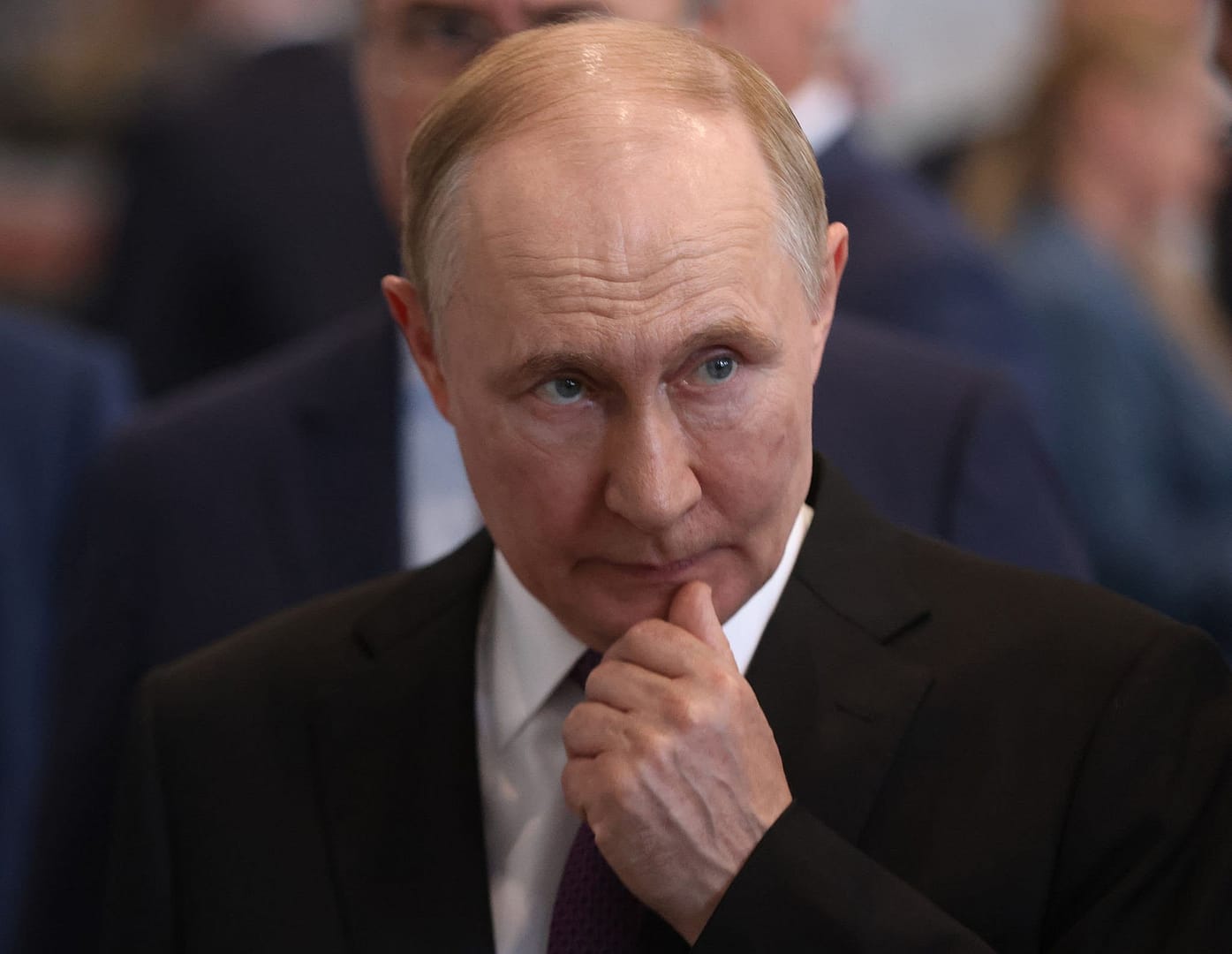
Russian President Vladimir Putin’s year‑end press conference remains one of the most closely watched events in Russia’s political calendar, offering a rare, extended glimpse into the Kremlin’s thinking on war, the economy and relations with the West. This year’s session was no exception. While he fielded a wide range of questions, the Ukraine war dominated both the queries and his answers, underscoring that the conflict will continue to define Russia’s external and internal agenda in 2026.
On Ukraine, it came out clear that during his speech that President Putin is in no mood to compromise on Russia’s core objectives. He restated long‑standing demands—Ukraine must abandon its ambition to join NATO and accept the loss of territories currently under Russian control, conditions he has articulated since mid‑2024 as the baseline for any political settlement. While describing the ground reality of the battle field, President Putin stated that the Russian Army was in an advancing position. It indicated that Russia’s goals in Ukraine will be achieved. It seemed that everything is working on Russia’s advantage.
During the speech, it came out clearly that the main culprit in the continuation of the war in Ukraine is the Kiev regime supported by Europe. President Putin casted Kyiv and its Western backers as the main obstacle to peace, stressing that “everything depends on Kiev and its sponsors,” a phrase that places responsibility squarely on Ukraine and its European partners.
In this context, Putin also expressed appreciation for what he framed as efforts by U.S. President Donald J. Trump to end the war, folding the conflict into his broader critique of European policy and elite attitudes toward Russia. This praise allowed him to contrast parts of the U.S. political establishment with European leaders whom he accuses of pursuing a “proxy war” against Russia through economic and military aid to Kyiv.
A major flashpoint in the press conference was the debate over the use of frozen Russian assets held in Europe to finance Ukraine’s war‑time budget and reconstruction needs. Putin warned that any such move would amount to “robbery” and insisted that the European Union would suffer “severe consequences” if it tried to seize or redirect those funds. He argued that beyond the immediate confrontation with Moscow, such a step would scare other countries, like the oil-producing ones, and “deal not only an image blow but undermine confidence in the eurozone,” attacking the EU’s financial credibility as much as its political motives.
The growing closeness between Russia and Belarus also featured in his remarks. Moscow and Minsk continue to deepen integration within the Union State framework, including the deployment and joint exercise use of Russian tactical nuclear weapons on Belarusian territory. Systems such as the Oreshnik intermediate‑range ballistic missile have now been incorporated into Belaru’s combat system, signalling that the nuclear dimension of the Union State is no longer theoretical. For Putin, this tightening alliance is both a response to NATO’s posture and a lever of pressure on Europe’s eastern flank.
On the domestic front, Putin painted a mixed but ultimately positive economic picture. He acknowledged high inflation and slower growth, yet highlighted that Russia still ranks among the world’s largest economies in purchasing power terms and claims to have weathered Western sanctions better than expected.
Overall, his message was that Russia is advancing in its “special military operation” in Ukraine while stabilizing its economy and hardening its strategic partnerships, and that any change in course will have to come from Kyiv and its Western “sponsors,” not from the Kremlin, as the country did not start the war and it wanted to end the war at the earliest.
*Dr. Indrani Talukdar is a Fellow at the Chintan Research Foundation, New Delhi.