Budget 2026-27: Meeting India’s Infrastructure, Urbanisation and Technology aspirations
 Staff, DigiTIMES.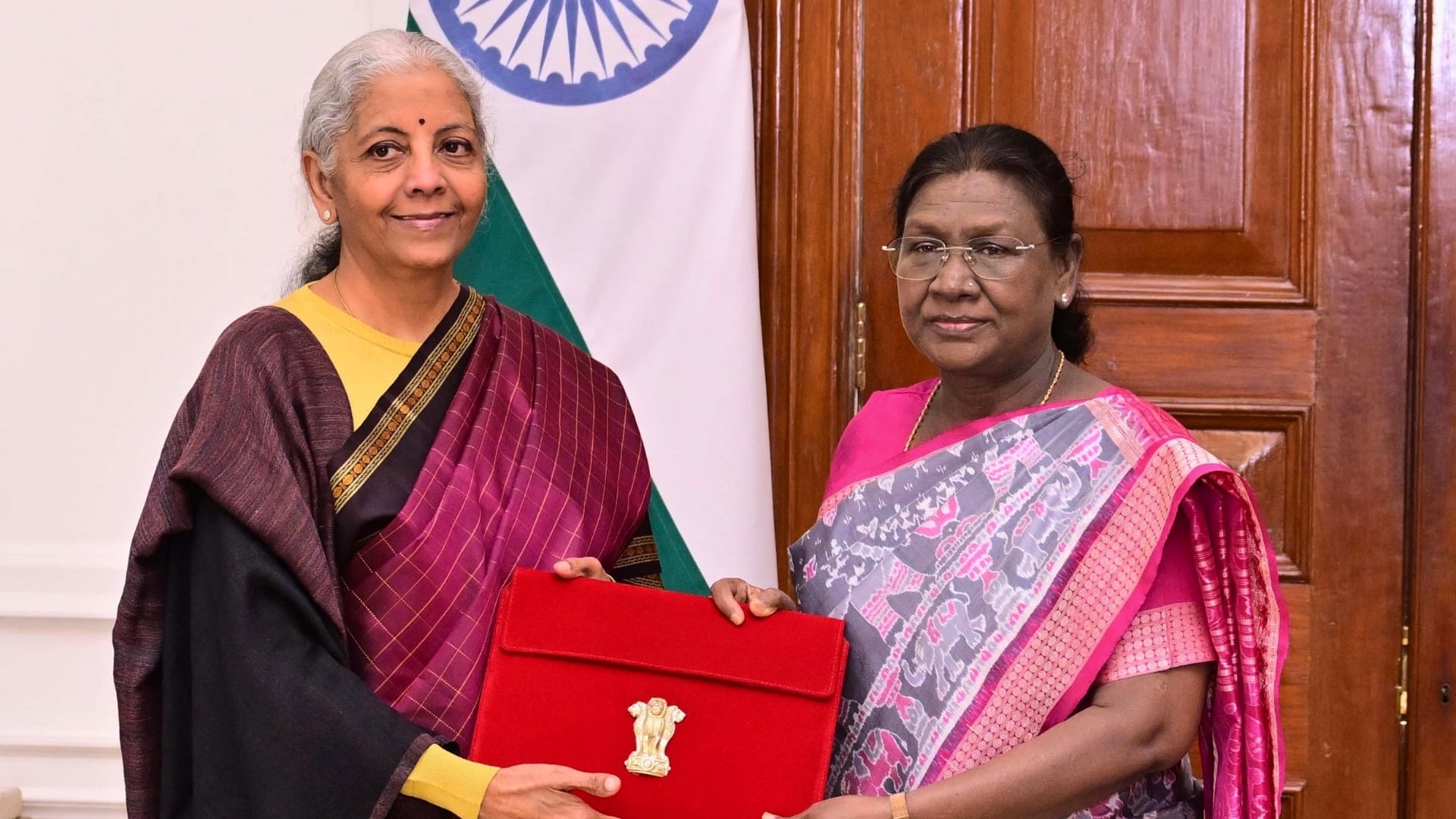
With FM’s announcement of raising the Public Capex in the Infrastructure from ₹11.2 lakh crore in 2025-26 to ₹12.2 lakh crore, the government focussed to strengthen India’s infrastructure, which remains a key to the nation’s growth creating a long term revenue generation machine when the government missions to make India the third largest economy by 2028
| By Adrish Banerjee
For the ninth consecutive time, Finance Minister Nirmala Sitharaman presented the Union Budget for the FY 2026-27 on 1st February – a rare achievement for a woman politician in India. The expectations were high from the FM after she raised the Income Tax limit in the last budget and gave relief to common men by rationalising the GST rates. It was expected that the government’s focus would not just be state-specific unlike the previous two budgets focusing on poll-bound states. By announcing the three ‘kartavyas’ – accelerating and sustaining economic growth, fulfilling aspirations of the people, and forwarding the vision of ‘Sabka Saath, Sabka Vikas’, FM narrativised India’s requirement to create a long-term foundation for growth.
With FM’s announcement of raising the Public Capex in the Infrastructure from ₹11.2 lakh crore in 2025-26 to ₹12.2 lakh crore, the government focussed to strengthen India’s infrastructure, which remains a key to the nation’s growth creating a long term revenue generation machine when the government missions to make India the third largest economy by 2028. Operationalising 20 new National Waterways, establishing a new Dedicated Freight Corridor and seven High-Speed Rail corridors may boost Prime Minister’s flagship infrastructure connectivity project, PM GatiShakti. This will also boost local businesses, mostly the MSMEs and help generate both entrepreneurship and jobs in Tier II and Tier III cities.
Terming the cities as India’s engines of growth, innovation, and opportunities, the government has shifted its direction towards the Tier II, Tier III cities and the temple-towns like Ayodhya, Madurai, and many more and develop their infrastructure. Also, amplifying the potential of the cities and mapping their economic potential as city economic regions (CER), based on their specific growth drivers. These give a ray of hope as it steers ample of opportunities for youths living in those cities and towns, which focuses to give an ease of living and ease of doing business. However, the government has to be cautious and learn from its failure considering the condition of the cities when they crumble during the monsoon and people suffer affecting both ease of living and ease of doing business.
On a very expected note, the FM announced the adoption of emerging technology like AI and incorporating it as a part of our lifestyle. Recently, the government has taken measures to support new technologies through AI, National Quantum Mission, and many more. The announcement of the India Semiconductor Mission (ISM) 2.0 echoes India’s capabilities to produce equipment and materials, design fullstack Indian IP, and fortify supply chains. This clears the air about India’s success of the ISM 1.0, which created the foundation for India’s capability in semiconductor development.
A nation’s growth and development can not be measured with just policy announcements but how they are formulated, rightly adopted and perfectly implemented. The announcements in the Budget especially in these three sectors are an aspirational one at a time when we are witnessing severe geopolitical instability and deliberate failure of multilateralism. With the vision of the three Kartavyas, the task of the government does not limit to just announcing its policies for the upcoming years, but also scale up to the aspirations of youth and generate both jobs and entrepreneurship.
The author is a Public Policy practitioner, worked as both political consultant and education content creator, is enthusiastic about India’s growth story. He talks about Elections, Infrastructure, Technology, Urbanisation, and National and Energy Security