LUCKNOW, June 9, 2026 /debcubspark.com-DigiTIMES./ — Ensuring reliable and quality electricity supply, particularly in rural areas, is now the next major challenge for India’s power sector despite significant gains in universal electrification, experts said at a high-level policy roundtable organised by APCO in collaboration with the Chintan Research Foundation (CRF) in Lucknow on Tuesday.
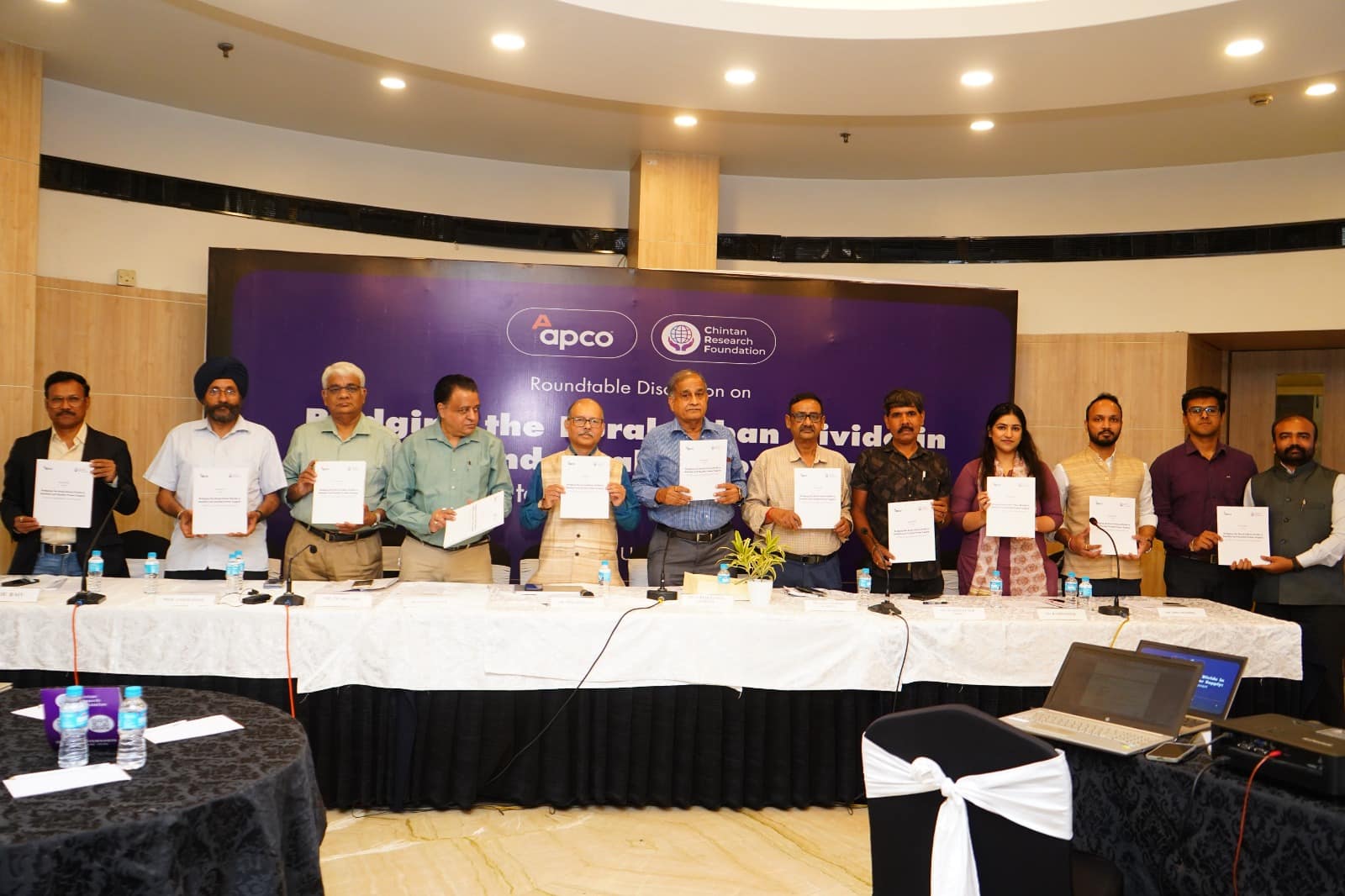
The roundtable, titled “Bridging the Rural-Urban Divide in Reliable and Quality Power Supply: A Path to Equitable Development with Focus on Uttar Pradesh,” brought together policymakers, regulators, academics, industry representatives and consumer rights advocates to deliberate on reforms needed to build an equitable, financially sustainable and consumer-centric electricity distribution system.
Delivering the keynote address, Mr. Suresh Kumar Agarwal, former Chairman and Member of the Uttar Pradesh Electricity Regulatory Commission (UPERC), said electricity is no longer merely a basic utility but a cornerstone of social and economic development.
“Electricity supply is not just about providing light and fans; it is a matter of dignity, honour, and livelihood,” Mr. Agarwal said.
He noted that while previous reforms had substantially expanded electricity access through increased generation capacity and nationwide electrification, reliability and quality of supply—particularly in rural areas—continue to remain major concerns. He stressed that addressing network constraints, staffing shortages, distribution planning and effective monitoring of rural feeders would be essential for improving service delivery.
Welcoming the participants, Mr. Vipin Chanddra, Associate Director at APCO, underscored the importance of collaborative policy dialogue in addressing emerging challenges facing the power distribution sector.
In his opening remarks, Dr. Debajit Palit, Centre Head of the Centre for Climate Change and Energy Transition at CRF, said India has entered a new phase of electricity sector reforms where the emphasis must shift from expanding access to ensuring reliable, high-quality and consumer-centric power supply.
He observed that with renewable energy contributing an increasing share of electricity generation, distribution has become the critical link between policy and consumers. Uttar Pradesh, characterised by rapid growth in electricity demand, expanding industrialisation, implementation of the PM Surya Ghar initiative and persistent rural-urban disparities, offers an important opportunity to demonstrate structural reforms for equitable power supply, he said.
During the inaugural session, the organisers released a policy brief titled “Bridging the Rural-Urban Divide in Reliable and Quality Power Supply: A Path to Equitable Development,” jointly authored by researchers from APCO and CRF.
The technical session, moderated by Dr. Palit, focused on strengthening the financial and operational sustainability of electricity distribution companies (DISCOMs), improving last-mile connectivity, enhancing service quality and aligning state-level reforms with the National Electricity Plan (NEP) 2026.
Panel members said inadequate distribution infrastructure continues to be the biggest impediment to reliable electricity supply in rural Uttar Pradesh, where electricity demand has grown significantly while network capacity has largely remained based on outdated sanctioned loads.
The experts called for accelerated investment in substations, modernisation of distribution infrastructure, deployment of Supervisory Control and Data Acquisition (SCADA) systems in rural networks, strengthening of local maintenance teams and greater financial support to improve operational efficiency.
The panel also highlighted the need to improve the financial health of DISCOMs, pointing to stagnant tariffs, low revenue recovery in rural areas and persistent manpower shortages as key constraints. Targeted subsidies for rooftop solar installations, particularly for vulnerable consumers, were identified as one possible intervention to improve energy access while supporting India’s clean energy transition.
The discussion further emphasised transparent governance, technology-enabled grievance redressal, digital complaint tracking and greater accountability among utilities, employees and consumers to improve service quality and consumer confidence.
The panel featured Mr. Vikas Chandra Agarwal, former Director (Distribution), UPERC; Mr. Piush Garg, former Director (Operations), Uttar Pradesh Power Corporation Limited (UPPCL); Prof. Anoop Singh, Founder of the Centre for Energy Regulation and the Energy Analytics Lab at IIT Kanpur; Ms. Rashi Singh, Programme Lead (Lucknow), Council on Energy, Environment and Water (CEEW); Mr. Avadesh Kumar Verma, Chairman, UP Rajya Vidyut Upbhokta Parishad; Mr. Keshav Mathur, President (Lucknow Unit), Mr. Laghu Udyog Bharti; and Prof. D. Tripati Rao, Professor of Economics at IIM Lucknow.
The event concluded with a vote of thanks by Mr. Abhinav Khansili, Project Consultant at APCO, who thanked the speakers, participants and organisers for contributing to the dialogue on building a more reliable, resilient and equitable power distribution system in Uttar Pradesh.